
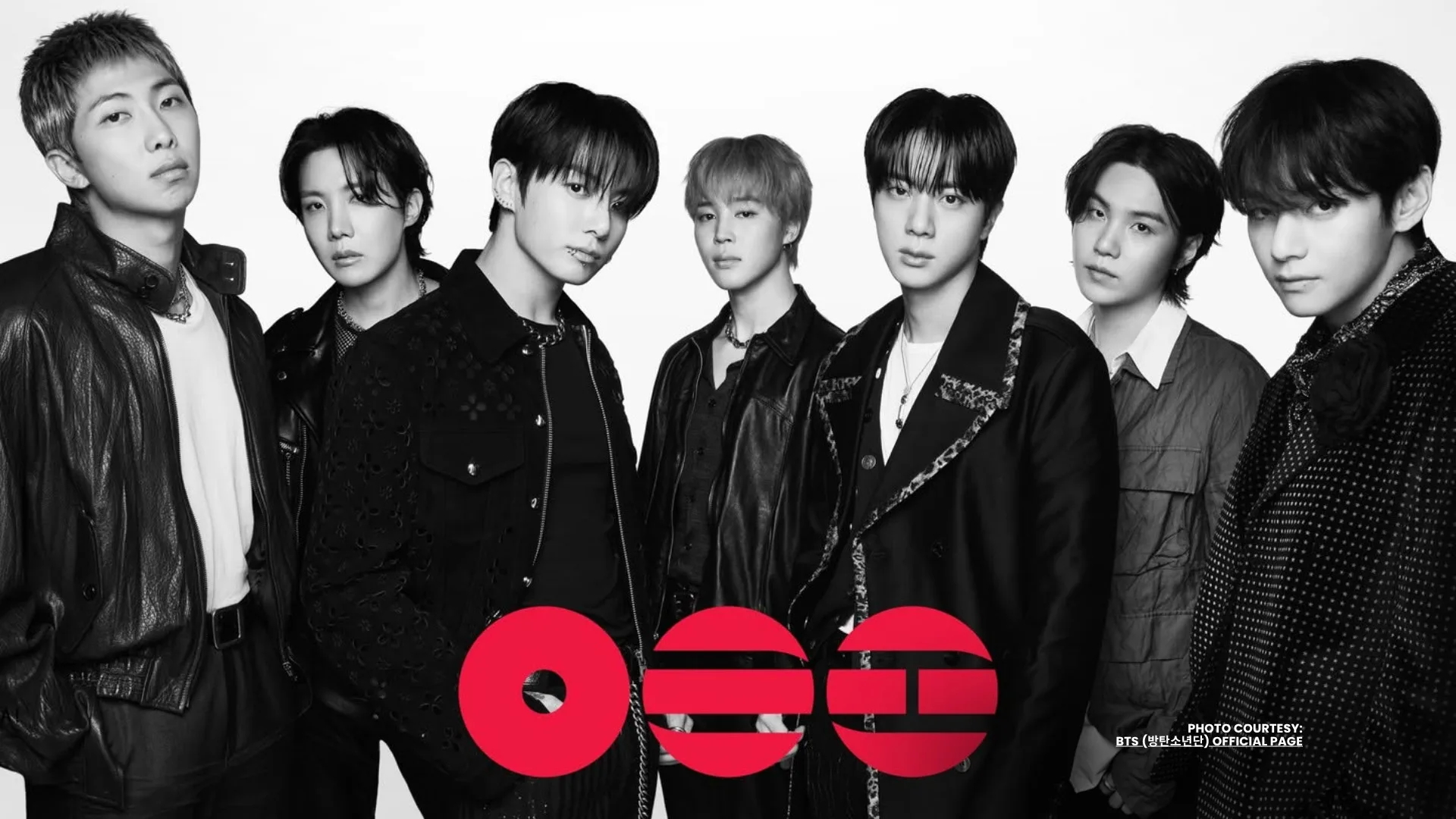
Long story short: BTS topped another ranking, ARMY celebrated, and the rest of the K-pop industry moved on.
This version is accurate, but it misses the bigger point.
The latest K-Brand Index, released by the Seoul-based Asia Brand Research Institute, shows BTS leading the K-pop group category after an analysis of 4.8 billion online data points from May. The study covered search volume, social engagement, sentiment, community activity, and AI-based indicators.
BTS ranked first with 176 points, just two points ahead of IVE, which placed second with 174 points. RIIZE followed with 154 points, aespa and BLACKPINK tied at fourth with 149 points, while ILLIT placed sixth with 137 points.
TWICE and Stray Kids shared seventh place with 134 points each, followed by Corts with 129 points and Big Bang with 123 points.
The rankings show two things at once. BTS remains the leading name in the category, but the gap between the group and newer acts has narrowed. Four years ago, it would have been difficult for an active fourth-generation group to come within striking distance of BTS in a metric this broad. That distance has shrunk, although it has not disappeared.
The K-Brand Index is not a music chart. It does not measure album sales, streaming numbers, or concert revenue. Instead, it tracks how strongly an artist moves across the digital ecosystem at a given moment.
That includes searches, social media sentiment, community activity, media exposure, and AI-driven analysis of how an artist’s name and image circulate online.
Ryu Won-sun, head of the institute’s Research Center, said K-pop can no longer be understood only as a music industry. It has become a cultural ecosystem where an artist’s worldview, fan community, and digital presence play a major role in shaping brand value.
That is what makes BTS’ latest ranking significant.
At the time of the index, BTS had spent a significant period away from full-group promotions as members completed or recently completed South Korea’s mandatory military service. The group had no major world tour and limited collective promotional activity. Yet BTS still finished first.
The result suggests that BTS is no longer fully dependent on the usual machinery of pop promotion to remain relevant. The group continues to carry weight through its fan community, its cultural legacy, and the years of meaning that ARMY has built around its music and identity.
The question now is what happens next. BTS’ return to full activity could open a second major chapter, or it could mark a more gradual continuation of an already historic career. The index cannot answer that yet.
What the May 2026 numbers show is simpler and clearer: BTS is still the group to beat, even when it is not fully back in the room.