
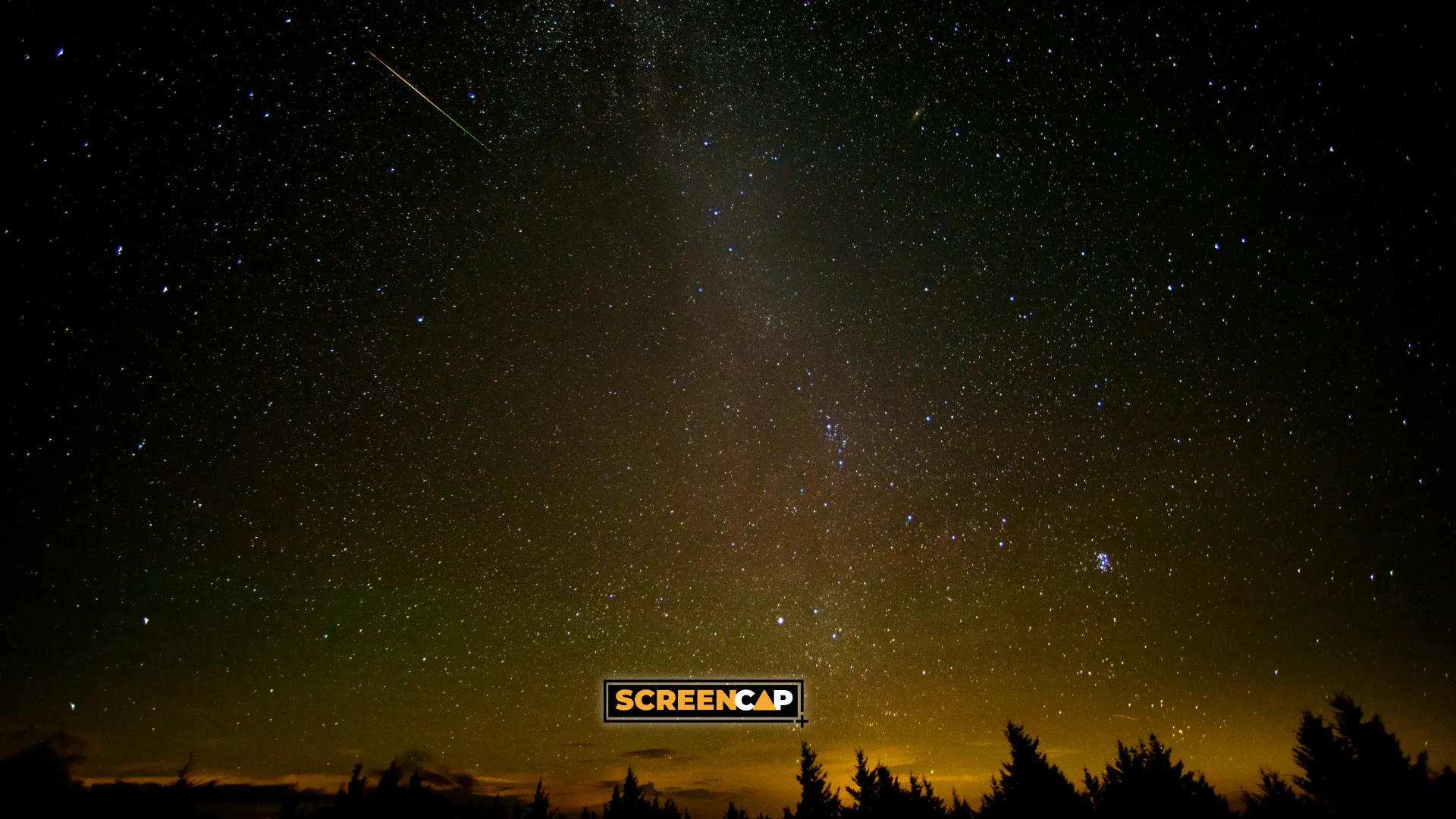
Skywatchers in the Philippines can look forward to two astronomical events this month, with the year’s longest day falling on June 21 and the June Bootid meteor shower becoming active days later, according to the Philippine Atmospheric, Geophysical and Astronomical Services Administration.
PAGASA said June 21 marks the summer solstice in the Northern Hemisphere and the winter solstice in the Southern Hemisphere.
During the solstice, the sun reaches its northernmost position in the sky, giving countries north of the equator their longest period of daylight and shortest night of the year.
“This happens when the sun reaches the most northerly point in the sky. On June 21, here in the Northern Hemisphere, we will experience the longest day and the shortest night,” PAGASA said.
Astronomy enthusiasts may also catch the June Bootid meteor shower, which will be active from June 22 to July 2 and is expected to peak on June 27, according to PAGASA’s June 2026 astronomical diary.
The June Bootids are classified as a variable meteor shower, meaning the number of visible meteors can vary sharply from year to year. The meteor shower is usually best seen in the evening under dark, cloud-free skies.
PAGASA said the June Bootids are produced when Earth passes through the stream of dust and debris left behind by the short-period comet 7P/Pons-Winnecke. The particles create streaks of light as they burn up upon entering the atmosphere.