
A University of the Philippines (UP) law professor on Friday rejected a proposal to redefine “force majeure” to allow a fugitive senator to vote remotely in Senate plenary sessions and in Vice President Sara Duterte’s impeachment trial, calling the move a legal stretch that should not stand.
In an interview, UP Assistant Professor Michael Tiu Jr. questioned Sen. Robin Padilla’s proposal to amend Senate rules by broadening the meaning of force majeure, a legal concept generally referring to extraordinary or unforeseeable events, such as natural disasters, that prevent a person from fulfilling an obligation.
Tiu said the interpretation being pushed in the Senate appeared designed to benefit only a small number of senators, rather than address a disruption affecting the institution or the public at large.
“Sa tingin ko, hindi uubra o hindi pwede, kasi bakit naman kung talagang force majeure ‘yung mga bagay na ‘yan, bakit mga senador lang ang maaapektuhan at hindi makakapunta at bumoto? Paano naman ‘yung buong Senado, ‘yung staff nila at ‘yung mga committee staff?” Tiu said.
“So kung ang punto ay may force majeure at hindi sila makakapasok, makapag-convene ng Senate, parang weird naman na senador lang ang maaapektuhan ng rule na ‘yan,” he added.
Padilla had cited possible events such as La Niña or the conflict in the Middle East as grounds for invoking force majeure. But Tiu said that even if such situations were considered extraordinary, any accommodation should apply broadly and not be crafted only for senators unable or unwilling to attend proceedings in person.
Tiu pointed to the COVID-19 pandemic as a valid example of force majeure in the legislative context, saying the health crisis affected the entire country and forced widespread restrictions that made virtual sessions necessary.
“Sa konteksto na kanyang ginagamit ay mali, hindi tama. Kasi pwede mong masabi na ‘yung mga events, mga pangyayari na ‘yun ay hindi mo mahulaan o kung mahulaan mo ay hindi mo maiwasan. Pero ang purpose ng force majeure ay bilang excuse na hindi mo magawa ang kailangan mong gawin,” Tiu said.
He said the examples raised in support of the proposed amendment do not directly prevent senators from attending sessions or performing their duties in the same way the pandemic did.
“In the same case, dahil hindi siya makakaapekto, it’s not relevant to their duties like COVID-19 and the pandemic was a force majeure kasi ‘yun talagang nakapagpigil sa mga tao na magpunta sa kanilang mga opisina because of the health situation,” he added.
Tiu described the proposal as “ridiculous” and “concerning,” warning that using force majeure as a convenient excuse to avoid official duties would weaken a basic legal principle.
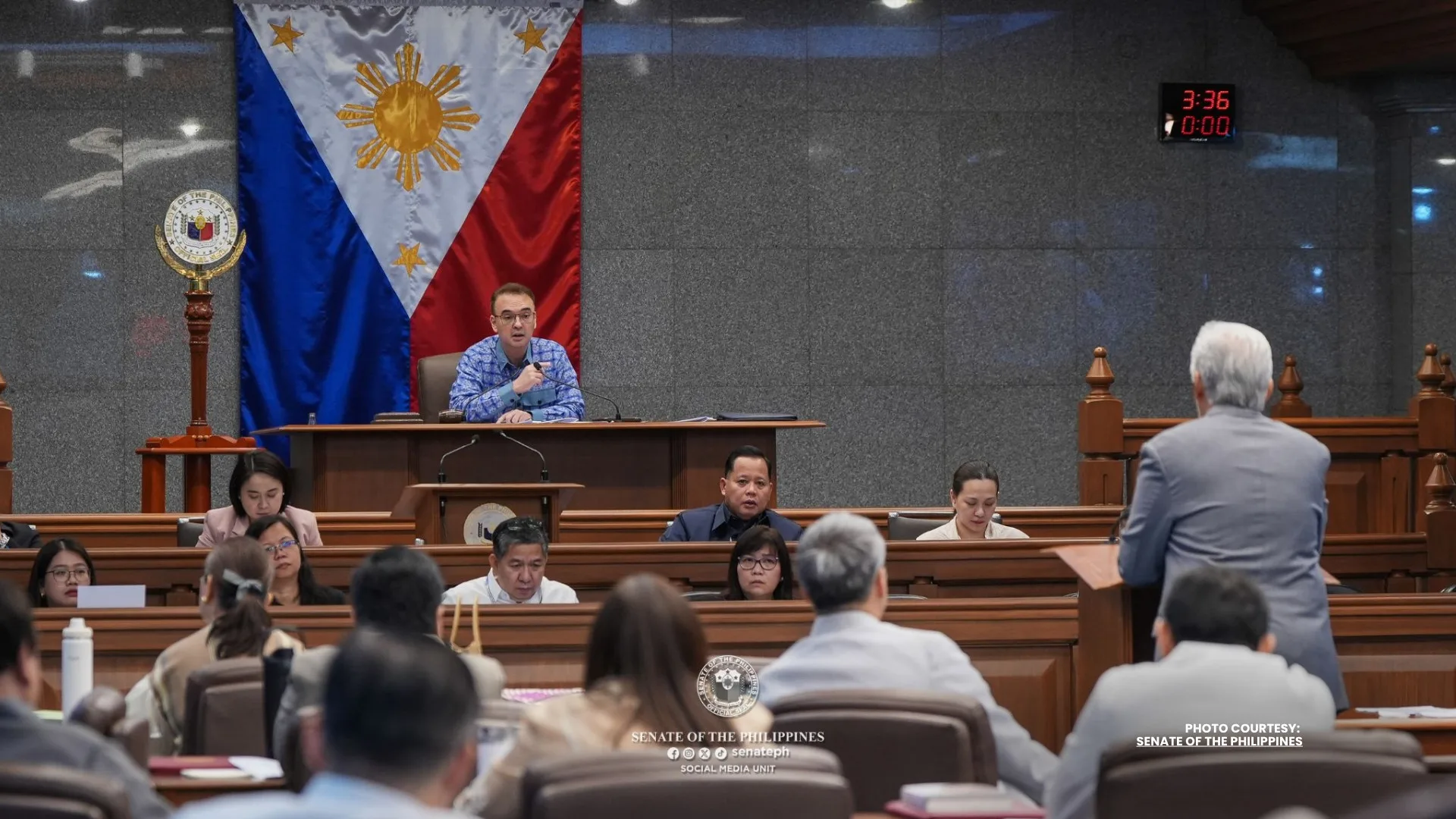
The Senate has been at an impasse after the minority bloc walked out of Tuesday’s session, breaking the quorum and stalling the majority’s move to amend chamber rules to allow online voting in plenary sessions and in the Duterte impeachment trial, even without a force majeure situation.
The minority said there was no point in remaining in the session as the majority pushed the amendments without a committee resolution and without orderly deliberation.
The proposed rule change has been linked to the status of Sen. Ronald “Bato” dela Rosa, who is facing possible arrest, and two other senators charged with plunder and graft by the Ombudsman over the flood control corruption scandal.
Without dela Rosa and the two other senators, the 13-member majority could struggle to secure the votes needed to pass measures requiring a majority vote.
The Senate has seen limited legislative and committee movement since the leadership change, which left the chamber in disarray following a security incident inside its halls and unresolved committee organization issues.
Pre-trial proceedings in Duterte’s impeachment case are expected to begin on July 6, a month after Congress goes on recess.