
The proposal to expand remote participation in Senate plenary sessions has drawn fresh scrutiny as debates continue over whether senators should be allowed to join and vote online for reasons beyond force majeure or national emergencies.
The issue surfaced after the Senate majority bloc pushed to amend chamber rules to allow virtual participation during “justifiable reasons.” Existing rules only permit remote plenary sessions or teleconferencing in cases of force majeure or national emergency that prevent senators from physically attending proceedings, a rule adopted during the COVID-19 pandemic.
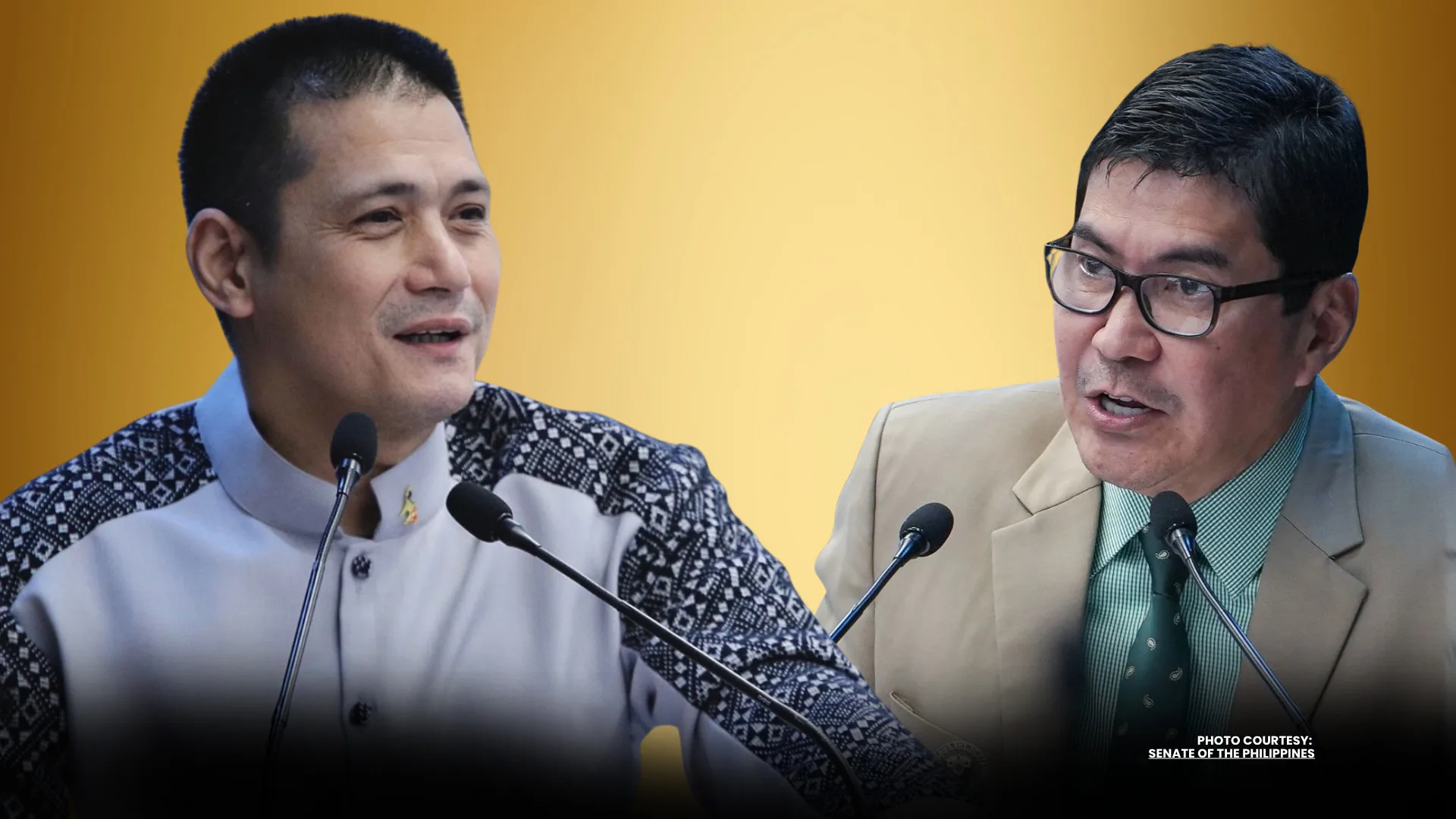
In a series of Facebook posts, Sen. Robin Padilla argued for a broader reading of force majeure, saying it could include events such as terrorist attacks linked to the Middle East conflict, the threat of weather disruptions, and the possibility of the Philippines being dragged into a China-Taiwan conflict.
He said the Senate should be proactive in dealing with national security concerns and cited the need for the participation of Sen. Ronald “Bato” Dela Rosa, a former police chief and former military officer, because of his experience in conflict situations.
Dela Rosa has been in hiding since the International Criminal Court (ICC) issued an arrest warrant against him as an alleged co-perpetrator of former President Rodrigo Duterte in the crimes against humanity case before the tribunal.
The senator said Dela Rosa should be allowed to continue working through online means while there is no final conviction against him.
“Iniluklok siya ng taongbayan na maging senador, hayaan natin siyang magtrabaho para sa taongbayan sa pamamagitan ng online,” the legislator said, adding that technology should be used to allow elected officials to perform their mandate.
The move, however, has triggered objections from the minority bloc.
During Tuesday’s plenary session, Sen. Erwin Tulfo questioned the urgency of voting on the proposed amendments introduced by Sen. Rodante Marcoleta. Tulfo asked whether there was a current force majeure or national emergency that would justify the rule change.
“This justifiable reason, what is that? Does that fall under force majeure or does it fall under national emergency?” Tulfo said.
He also questioned whether the push was linked to reports that two senators from the majority bloc could face detention. Tulfo did not name them, but the Ombudsman earlier said Sens. Jinggoy Estrada and Joel Villanueva would be charged with plunder and other offenses in connection with alleged links to anomalous flood control projects.
Former Senate President Franklin Drilon also warned that rushing the rule change could amount to “tyranny by the majority” and may affect the impeachment trial of Vice President Sara Duterte.
Drilon said the proposed amendment could give the majority a voting advantage in the trial. The majority bloc has 13 members, while the minority has 11. The absence of Dela Rosa, Estrada, and Villanueva could shift the balance in voting.
Padilla defended the broader interpretation of force majeure, saying events outside the control of an affected party should be considered under the concept. He cited natural calamities, war, terrorism, riots, labor strikes, sudden government restrictions, embargoes, and lockdowns as examples.
He also warned of possible weather-related disruptions later this year, saying the Senate should prepare for contingencies that could affect physical attendance.
The debate over remote participation comes as the Senate faces mounting pressure to resolve its internal rules before the impeachment trial of Duterte proceeds. The proposed changes have raised questions over accountability, physical attendance, and whether online participation should be allowed in proceedings with major legal and political consequences.