
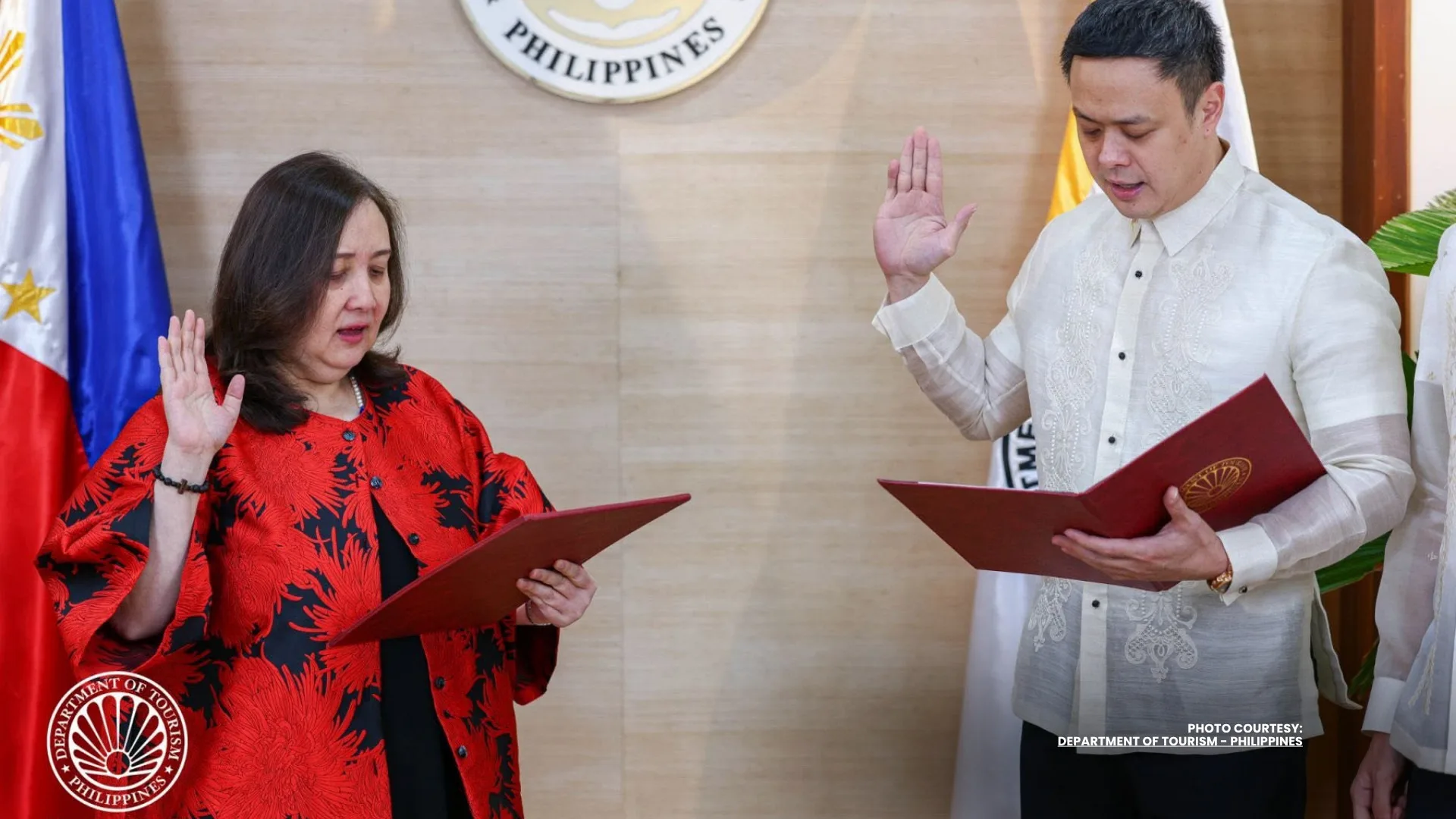
Former Philippine Airlines president and chief operating officer Stanley K. Ng has been appointed undersecretary of the Department of Tourism, bringing to the agency deep aviation experience at a time when air connectivity remains crucial to the country’s tourism growth.
Ng’s entry into the DOT signals a stronger push to align tourism promotion with the practical requirements of travel: reliable routes, stronger airport gateways, smoother passenger movement, and closer coordination with airlines. In an archipelagic country such as the Philippines, tourism is not driven by marketing alone. It also depends heavily on how easily visitors can reach destinations across Luzon, Visayas and Mindanao.
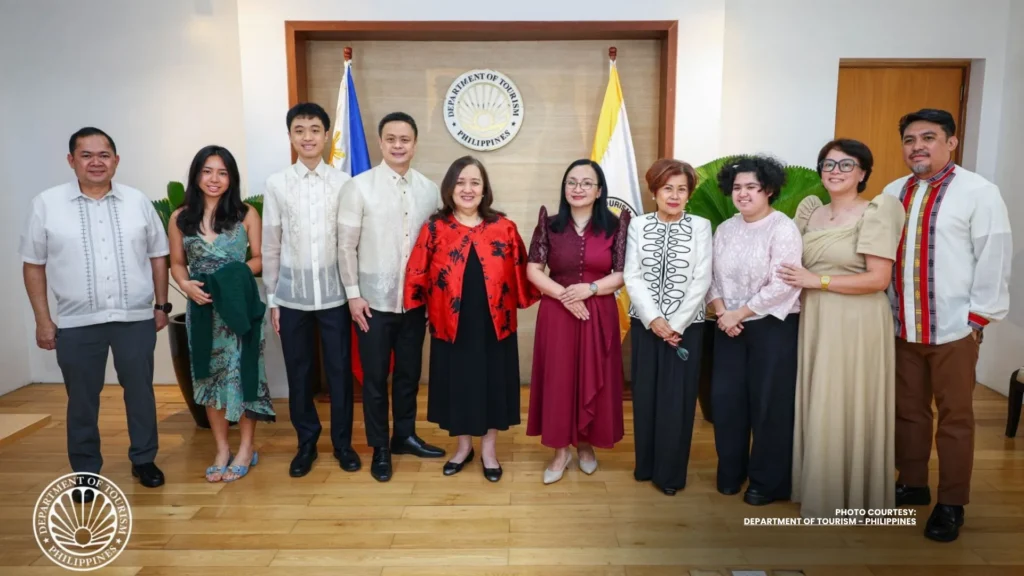
His appointment comes as the DOT works under Tourism Secretary Ma. Bernadita Angara-Mathay, who was appointed by President Ferdinand Marcos Jr. in April 2026. Angara-Mathay was named to lead the department with a background in trade, investment and international economic engagement, areas closely tied to tourism development and destination competitiveness.
Ng, a seasoned pilot and former head of the country’s flag carrier, is expected to bring an industry perspective to the department’s efforts to expand access to Philippine destinations. His background could prove valuable in route development, tourism market access, airline partnerships, and programs aimed at making travel to and within the Philippines more efficient.
Before joining government, Ng served as president and COO of Philippine Airlines. PAL confirmed his appointment to the top post in 2022, noting that he had earlier served in an acting capacity before his formal confirmation. Reports on his DOT appointment said he has since moved into public service as a tourism undersecretary.
The appointment also comes with strong promise for Philippine tourism because aviation and tourism are tightly linked. More direct flights, better connectivity to secondary gateways, improved coordination during disruptions, and stronger partnerships with carriers can help make destinations more accessible not only to foreign visitors but also to domestic travelers.
For tourism stakeholders, Ng’s new role could help bridge long-standing gaps between promotion and transport access. Beaches, heritage towns, food destinations, dive sites and emerging tourism circuits can only fully benefit from demand when travelers have convenient and dependable ways to get there.
His aviation background may also support the country’s goal of spreading tourism benefits beyond traditional gateways. By improving connectivity planning, the DOT can help bring more visitor traffic to developing destinations, support local tourism enterprises, and encourage investments in hotels, transport, food, retail and community-based tourism.
While the full scope of Ng’s portfolio has yet to define how his industry experience will be applied, his appointment is already being viewed as a potentially strategic move for a sector where mobility, access and visitor experience are central to growth.