
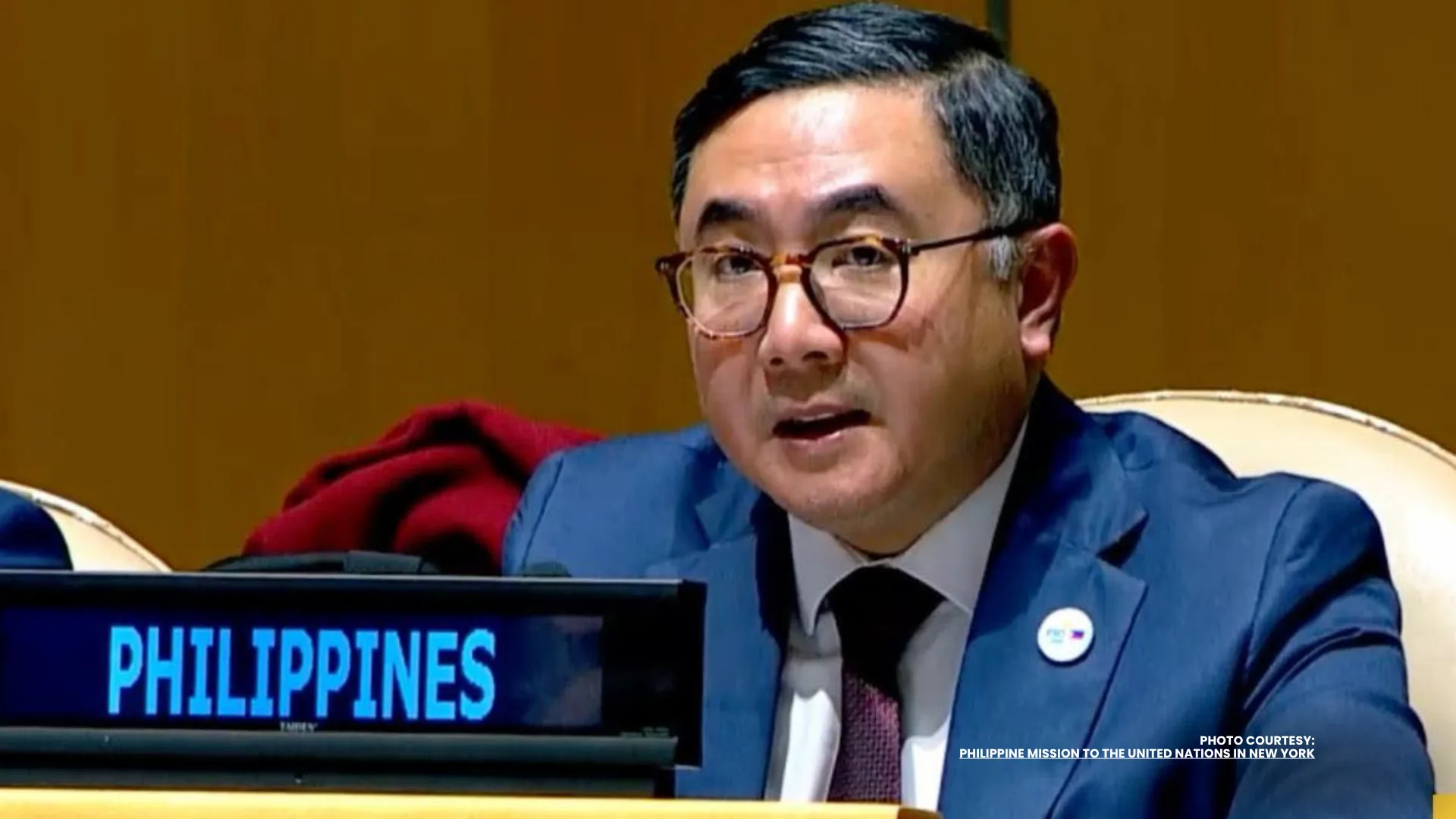
The Philippines pressed for a stronger humanitarian focus in global nuclear disarmament talks, warning that the catastrophic impact of nuclear weapons must remain at the center of international security discussions amid rising geopolitical tensions.
At the 2026 Review Conference of the Treaty on the Non-Proliferation of Nuclear Weapons at the United Nations headquarters in New York, the Philippine delegation advanced calls for nuclear disarmament, respect for international humanitarian law, and stronger global action to reduce nuclear risks.
The Department of Foreign Affairs said humanitarian concerns emerged as a key theme of the conference, as governments confronted growing unease over nuclear threats, deterrence rhetoric, and the devastating consequences any nuclear use would bring.
The conference, convened every five years, reviews how states are implementing commitments under the treaty, including nuclear disarmament, non-proliferation, and the peaceful use of nuclear energy.
As part of its participation, the Philippine delegation co-organized two side events that focused on the human cost of nuclear weapons and the need to move disarmament discussions beyond strategic and military calculations.
The first event, titled “Choose Hope: Addressing Deterrence through the Lens of Humanitarian Impact,” was organized with Kiribati and examined how nuclear threats intersect with the climate crisis, especially for archipelagic and climate-vulnerable countries.
Philippine Permanent Representative to the United Nations Enrique Manalo delivered the welcome remarks during the event.
The second event, “Addressing Verification and Dismantlement of Nuclear Weapons and Victim Assistance: Bridging Policy and Practice,” was organized with Malaysia and Kiribati.
The discussion focused on practical measures for nuclear weapons verification, dismantlement, and humanitarian remediation. It also featured author Annie Jacobsen, whose book Nuclear War: A Scenario served as a reference point for the session.
The DFA said the Philippines also helped facilitate consultations on language referring to the catastrophic humanitarian consequences of nuclear weapons in the conference’s draft outcome document.
Working in support of Conference President Ambassador Do Hung Viet of Vietnam, the Philippine delegation sought to help identify wording that could be acceptable to states with differing positions on the issue.
The DFA said the effort reflected the Philippines’ commitment to constructive dialogue and consensus-building, while ensuring that humanitarian concerns remain part of international discussions on nuclear disarmament.
The Philippines has long called for a world free of nuclear weapons and continues to support multilateral efforts to reduce nuclear risks, strengthen global security, and prevent the devastating human consequences of nuclear use.