
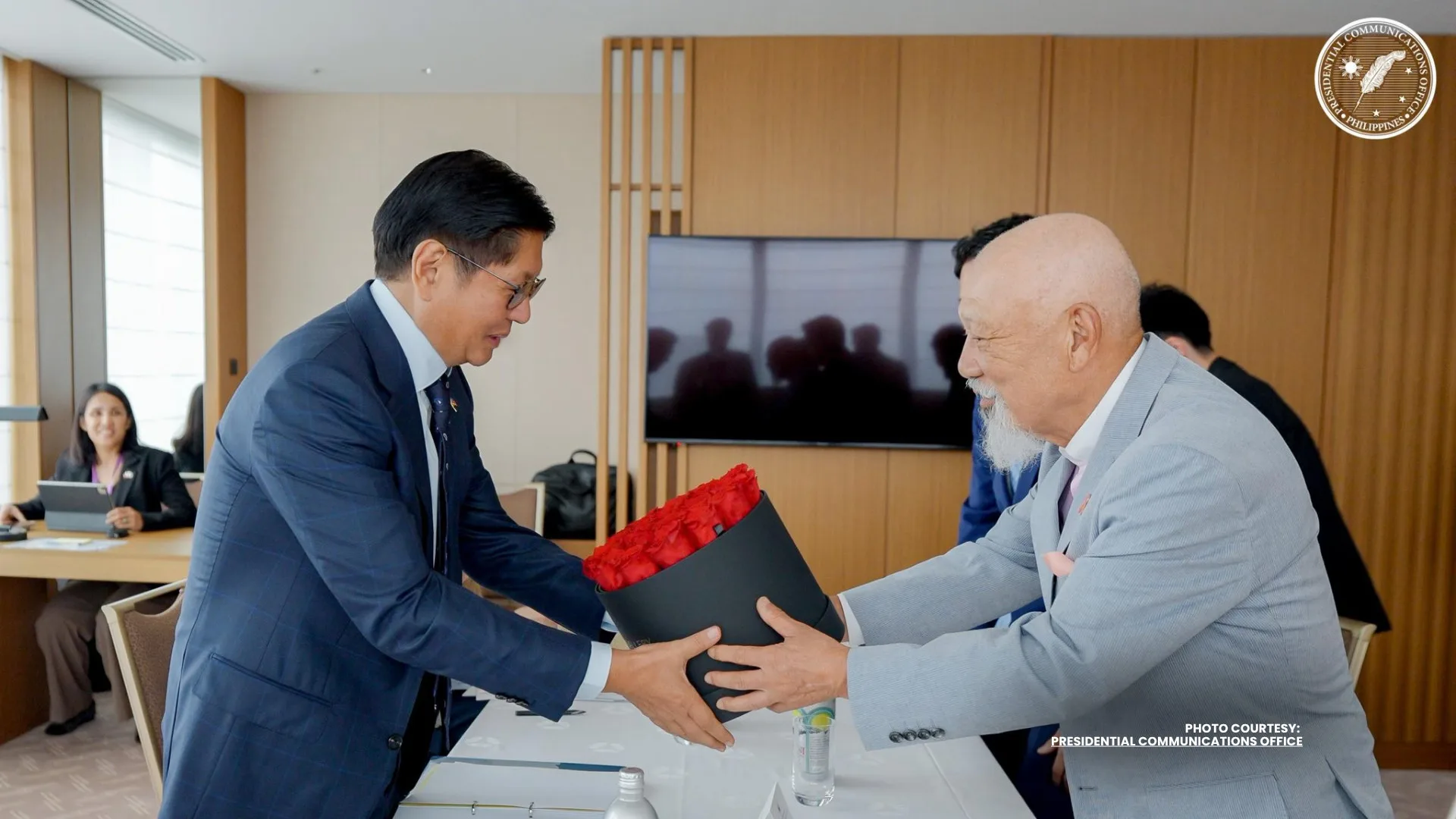
The Philippines and Japan have elevated their relationship to a comprehensive strategic partnership as both countries moved to expand cooperation in defense, maritime security, trade, energy, and emerging technologies.
President Ferdinand Marcos Jr. and Japanese Prime Minister Sanae Takaichi affirmed the stronger ties during their bilateral meeting at the Akasaka Palace on Thursday, where both leaders witnessed the signing and announcement of several new agreements.
Among the key agreements was a pact on the avoidance of double taxation, which Marcos said would help improve the business environment and encourage more cross-border investments between the two countries.

The President said Manila and Tokyo also forged new arrangements covering agriculture and fisheries, quality health services, and human resource development, building on decades of cooperation between the two nations.
“The Philippines and Japanese governments have likewise forged new arrangements that will expand our cooperation in the agricultural and fishery sector, improve equitable access to quality health services, and continue our long-standing partnership in our human resource development,” Marcos said.
Marcos said both sides also agreed to pursue deeper cooperation in future-focused sectors, including space development and application, artificial intelligence, energy security, and supply chain resilience.
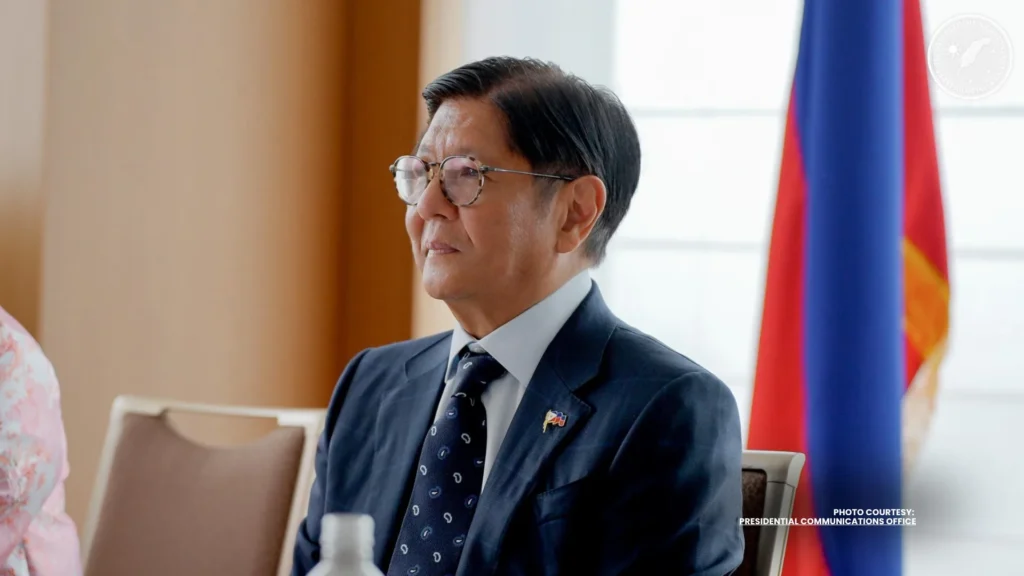
On security, Marcos announced the start of negotiations for a General Security of Military Information Agreement, which would allow the two countries to establish rules for sharing confidential defense information.
He said Manila and Tokyo would also begin talks on the delimitation of maritime borders.
“Lastly, we jointly announce the commencement of the negotiations for the General Security of Military Information Agreement, as well as for the delimitation of our maritime borders,” Marcos said.
Marcos said the elevation of Philippine-Japan ties from a strengthened strategic partnership to a comprehensive strategic partnership reflects the “strength, depth, and breadth” of relations between Manila and Tokyo.
He said the upgraded partnership would allow both countries to respond more effectively to emerging challenges and opportunities in the region.
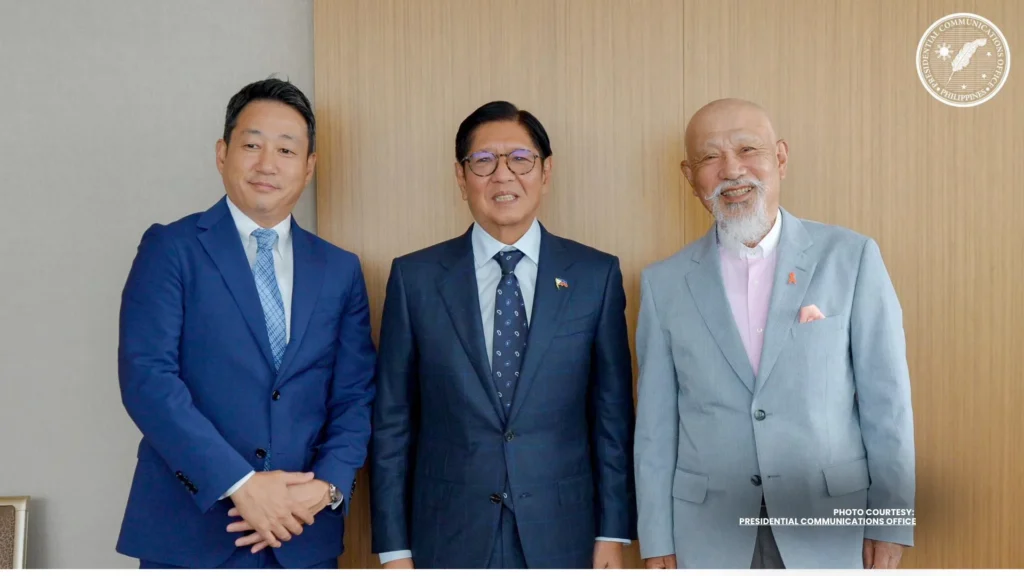
During their meeting, Marcos and Takaichi reaffirmed their commitment to advance cooperation in economic partnership, energy resilience, decarbonization, defense and security, maritime affairs, and other strategic sectors.
The two leaders also discussed regional and global developments, including challenges in the Indo-Pacific and the impact of tensions in the Middle East on energy security.
Marcos also thanked Japan for supporting the Philippines’ chairing of ASEAN this year, as both countries continued to align on regional stability, economic resilience, and rules-based cooperation.