
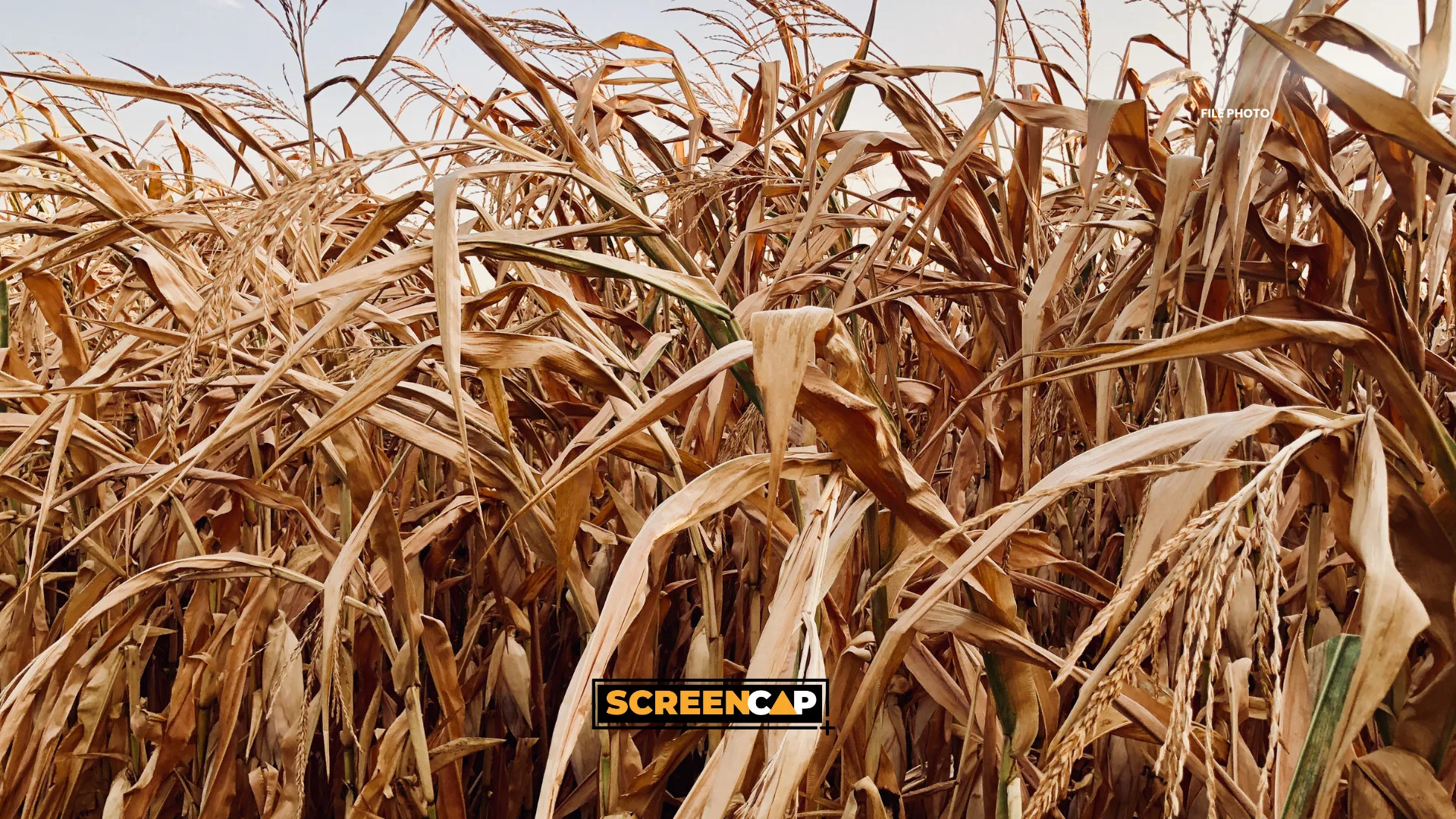
Upon the directive of the President, Executive Secretary Ralph G. Recto convened key department heads on October 8 to bolster preparations for the anticipated Super El Niño, with cabinet agencies guaranteeing measures to maintain food, water, and electricity supplies across affected regions.
“Preparedness is not a reason to panic. It is a reason to act early. Our job is to make sure that when the effects of El Niño come, the government is ready and Filipinos are protected,” Recto said.
Recto also said he would meet with key local government units (LGUs) to ensure national preparations respond directly to conditions on the ground.
“El Niño will not affect every area in the same way. The risks and needs of one community may be different from those of another. We need to know where the risks are greatest and make sure our response matches the situation in each area,” Recto also said.
The Department of Agriculture (DA) confirmed adequate national stocks of rice, meat, and vegetables while putting safeguards in place to protect crop production and assist farmers and fisherfolk facing extended dry spells.
These interventions feature livestock support, production grants, crop insurance indemnifications, and targeted water systems. The DA has also allocated funding for cloud-seeding operations across Regions II, III, VII, VIII, and the Negros Island Region.
Long-term agricultural investments are also underway to safeguard food production, including solar-powered seed cold storage facilities and solar irrigation networks.
To manage water resources, the Department of Environment and Natural Resources (DENR) is executing allocation plans and reservoir management protocols to prioritize household usage and farm irrigation based on established operational triggers.
New water supply infrastructure is scheduled for completion by late 2026 and the first quarter of 2027. The government is also preparing to reactivate 59 deep wells while optimizing treatment plants across Cavite, Rizal, Laguna, San Mateo, and adjacent provinces, keeping 135 stationary and 105 mobile water tankers on standby for emergency deployment.
The Department of Energy (DOE) assured the public of stable grid supply, moving to accelerate the grid connection and commercial operations of new power plants completing before the end of 2026. The agency is coordinating with power generation firms to prevent unexpected plant outages, particularly in the Visayas grid.
The Department of Health (DOH) is stepping up monitoring for heat-induced and climate-sensitive illnesses while stocking medical supplies, essential drugs, and hygiene resources.
The health agency is evaluating hospital readiness, identifying critical equipment needs, and partnering with related offices to bolster backup power systems and water access for health facilities in high-risk zones.
For economic relief, the Department of Labor and Employment (DOLE) and the Department of Social Welfare and Development (DSWD) confirmed that emergency cash assistance and temporary livelihood projects are prepared for displaced workers and low-income households.
Government monitoring will focus on vulnerable municipalities susceptible to severe drought, extreme heat, and water deficits.
Cabinet officials attending the coordination meeting included DA Secretary Francisco Tiu Laurel Jr., DENR Secretary Juan Miguel Cuna, DBM Secretary Kim Robert de Leon, DSWD Secretary Rex Gatchalian, DPWH Secretary Vince Dizon, DOLE Secretary Francis Tolentino, along with senior officials from the DOE, DOH, Department of Economy, Planning, and Development (DEPDEV), Department of Science and Technology (DOST), Philippine Atmospheric, Geophysical and Astronomical Services Administration (PAGASA), Office of Civil Defense (OCD), and National Irrigation Administration (NIA).