
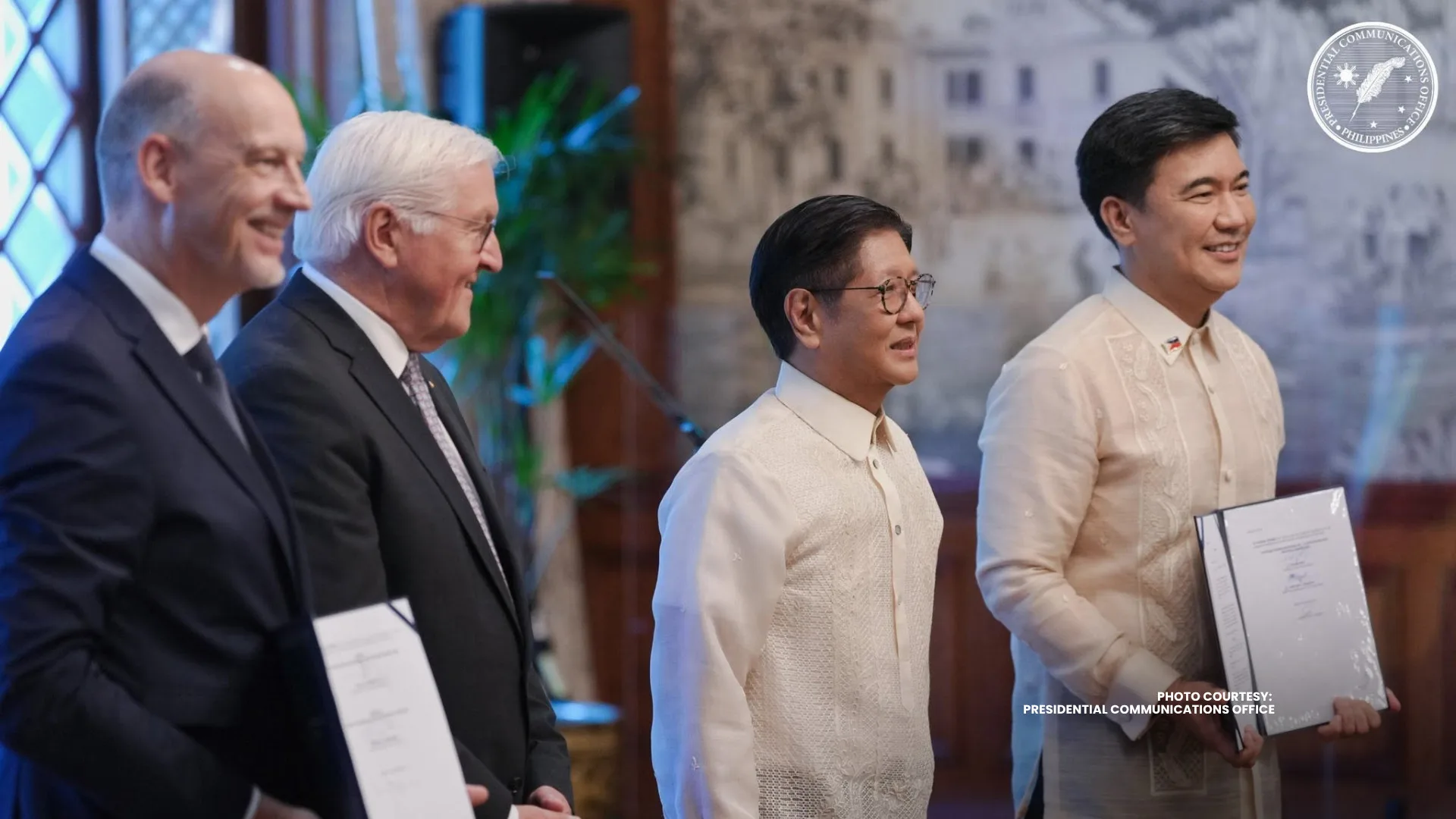
President Ferdinand Marcos Jr. on Tuesday reaffirmed his administration’s intensified campaign against corruption, describing graft as the “worst sin” that continues to erode public trust and weaken government institutions.
Speaking during a joint press conference with visiting German Federal President Frank-Walter Steinmeier in Malacañang, Marcos said corruption remains a central challenge that affects not only government operations but also the delivery of basic services to Filipinos.
He said the “corrosive influence of corruption” is felt across all sectors, from government agencies to private institutions, and has long constrained the efficiency and effectiveness of public service delivery.
According to the President, addressing the problem requires sustained reforms that go beyond enforcement, including dismantling entrenched practices, strengthening accountability mechanisms, and rebuilding confidence in public institutions.
The Chief Executive also stressed that anti-corruption efforts should also focus on identifying systemic weaknesses that allow irregularities to persist, in order to prevent their recurrence in the future.
He emphasized that government funds involved in corrupt practices are ultimately public resources meant to improve citizens’ lives.
“What they have taken is not my money or your money or a company’s money. It’s the money from the people,” Marcos said.
The President reiterated that strengthening transparency, accountability, and good governance remains essential to ensuring that government programs are properly implemented and reach intended beneficiaries.
He also noted that the administration’s anti-corruption drive, while necessary, has been difficult and at times disruptive, particularly in relation to major infrastructure and development projects.
Marcos first outlined his intensified stance against corruption in his previous State of the Nation Address, where he ordered investigations into irregularities in government projects.
Since then, officials said the campaign has contributed to delays in certain programs and raised concerns among investors, while also affecting public perception of government performance.
Despite these challenges, Marcos said the administration remains committed to pursuing reforms aimed at restoring trust in institutions and ensuring that public funds are used strictly for their intended purpose.