
The government has launched and turned over key infrastructure projects in Samar, underscoring ongoing efforts to strengthen connectivity and support long-term peace and development in geographically isolated communities.
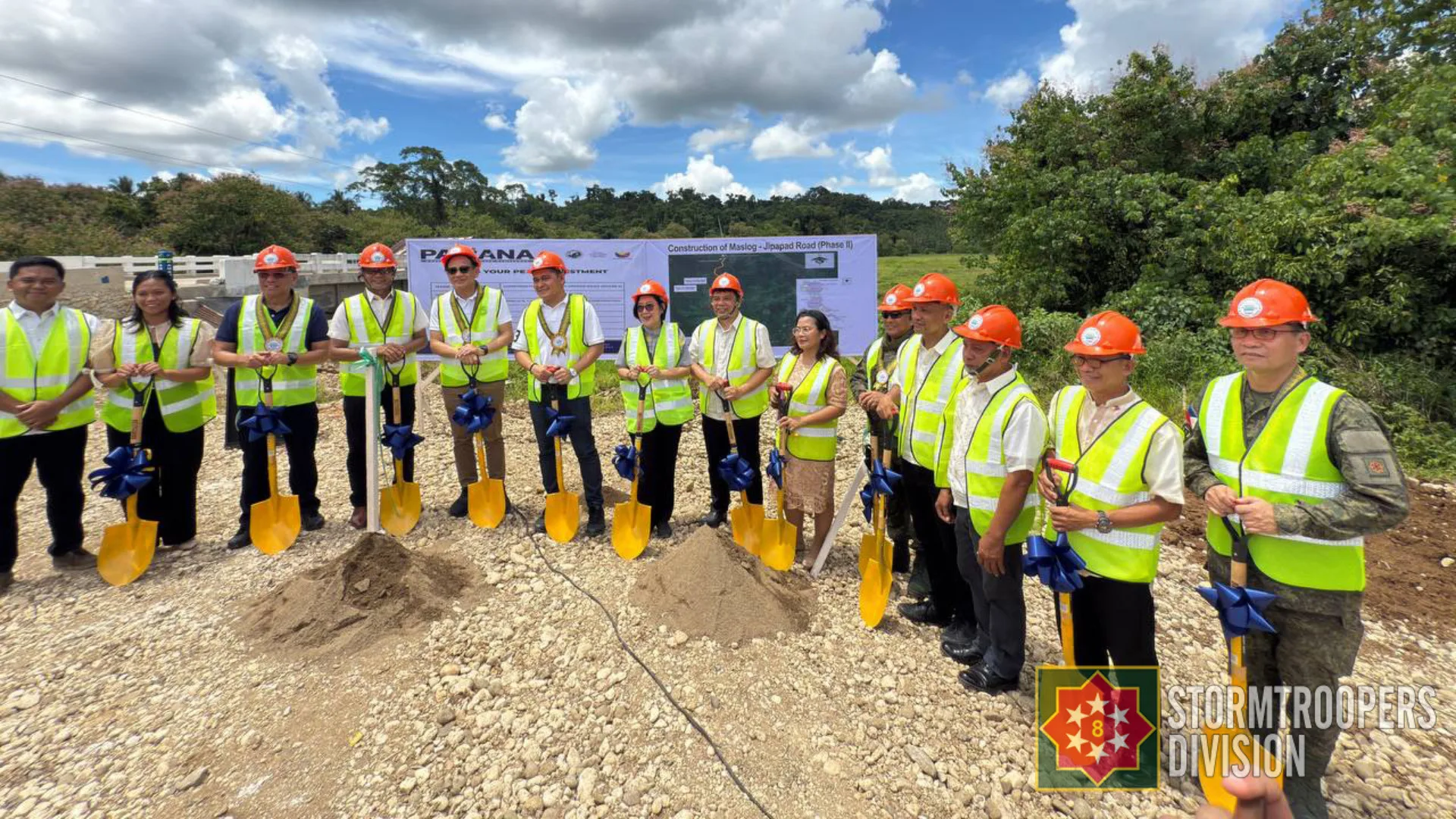
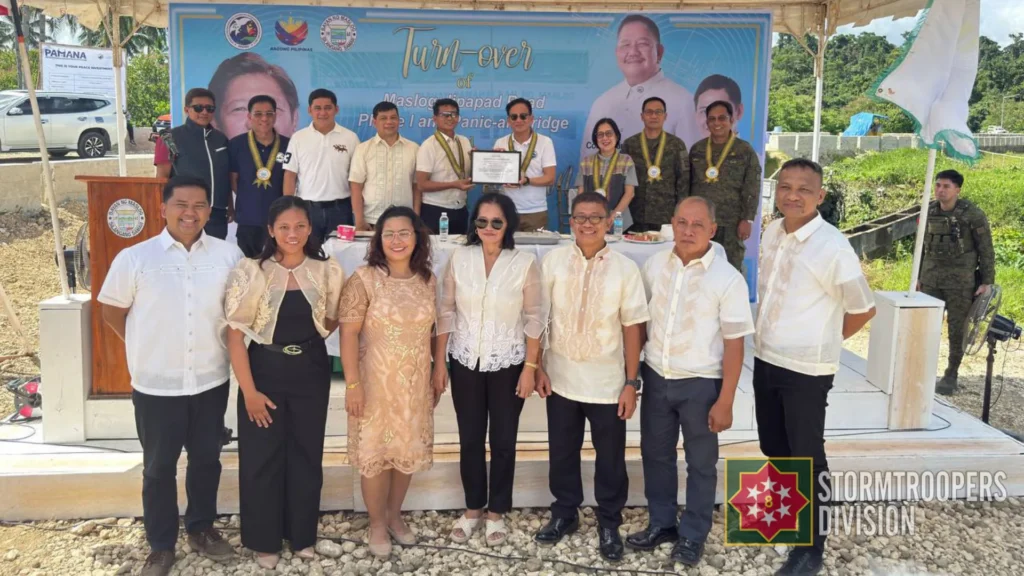
A joint groundbreaking and turnover ceremony held on June 18, 2026, marked the start of the Catubig Road Project and the Maslog-Jipapad Road Phase 2, alongside the turnover of completed sections including Maslog-Jipapad Road Phase 1 and the Panic-an Bridge.
The projects are expected to improve access to remote barangays, ease transport of goods, and enhance the delivery of basic government services in hard-to-reach areas.
In Catubig, the project includes a 2.48-kilometer two-lane road and a 151-meter concrete bridge designed to connect 27 geographically isolated and disadvantaged areas (GIDAs) to municipal centers. Meanwhile, the Maslog-Jipapad Road Phase 2 will further extend road networks into interior communities, opening additional routes for trade and public service access.
Funded under the government’s Payapa at Masaganang Pamayanan (PAMANA) program, the initiatives are part of broader efforts to address the roots of conflict through development interventions rather than armed confrontation.
Officials said improved road networks are expected to significantly cut travel time, strengthen emergency response capabilities, and make it easier for residents to access health care, education, and other essential services. Farmers are also expected to benefit from faster transport of agricultural goods to local markets, potentially increasing household incomes.
Security officials emphasized that infrastructure development plays a key role in sustaining peace by addressing long-standing gaps in services and opportunities in remote communities. They added that development initiatives complement ongoing security operations in areas previously affected by insurgency.
The 8th Infantry Division said such projects demonstrate that lasting progress is achieved through cooperation, governance, and development rather than armed struggle, and encouraged remaining insurgent members to take advantage of government reintegration programs.
“The government is proving that progress comes through unity, cooperation, and peaceful development—not through violent armed struggle,” the unit said, adding that communities can achieve sustainable improvement through participation in nation-building efforts.
The ceremony was attended by officials from the Office of the Presidential Adviser on Peace, Reconciliation and Unity (OPAPRU), PAMANA program managers, military leaders, and local government representatives.