The House of Representatives is seeking stronger coordination with the Senate to accelerate the passage of Legislative-Executive Development Advisory Council priority measures.
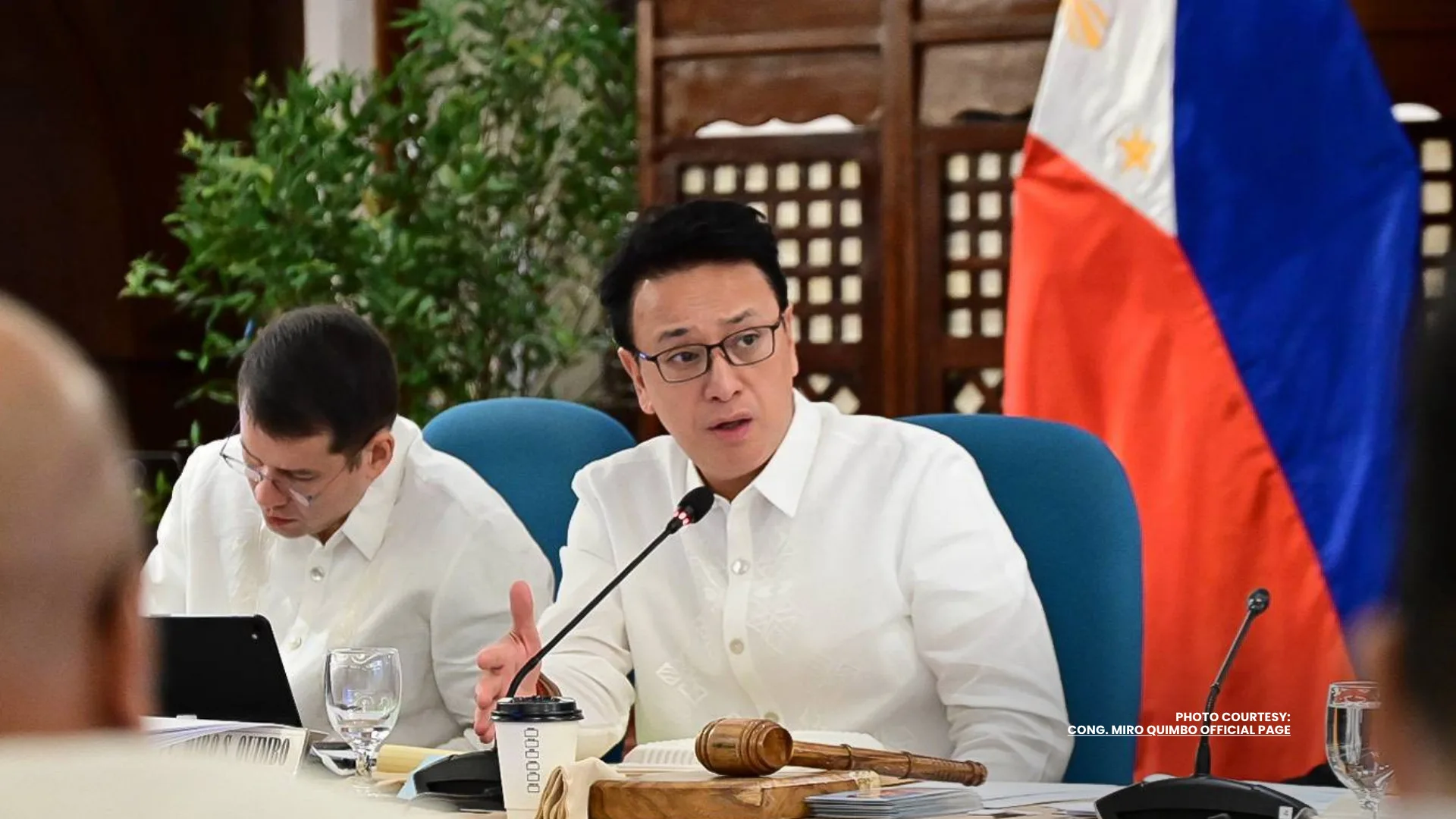
Marikina City Rep. Miro Quimbo, chairman of the House Committee on Ways and Means, proposed the revival of a joint leadership caucus that previously allowed both chambers to align their legislative calendars and act more quickly on priority bills.
According to Quimbo, the House and Senate could move more measures if their leaders had a regular mechanism to identify bills ready for action and address possible bottlenecks early.
“Base sa karanasan ko noong time ni Speaker [Feliciano] Belmonte, mas marami kaming naipapasa noon because meron talaga kaming formal structure na binuo, ’yung Joint Legislative Leadership Caucus,” Quimbo said during a press conference.
Quimbo said the caucus was composed of top leaders from both chambers, including the Speaker, Senate President, majority leaders, minority leaders, and key finance and tax committee chairpersons.
He said the setup gave Congress a practical venue to line up priority bills and resolve issues before the measures reached the floor.
“Nagmi-meet yun every month para ilatag kung ano ’yung mga bills na puwede na natin talakayin at the same time. Siguro ito ’yung isang bagay para mas maraming magawa over the next two years,” Quimbo said.
The proposal came as the House reported that 20 of the 52 LEDAC priority measures have already been approved on third and final reading.
House Majority Leader and Ilocos Norte Rep. Sandro Marcos said six more measures are being targeted for possible final approval before Congress adjourns sine die, if the legislative calendar proceeds as planned.
“We are happy and proud to advise all that out of the 52 LEDAC measures, meron na po 20 na naipasa na po on third and final reading. And we hope before po tayo mag-adjourn ng ating session ay makapagpasa po kami ng additional na six na mga priority LEDAC measures,” he said.
The 20 LEDAC measures already approved by the House include the resetting of the first regular elections in the Bangsamoro Autonomous Region in Muslim Mindanao, the proposed National Center for Geriatric Health, amendments to the Government Assistance to Students and Teachers in Private Education Act, amendments to the Universal Access to Quality Tertiary Education Act, and the proposed Assistance to Individuals in Crisis Situations Act.
Also approved were measures on EPIRA amendments and Energy Regulatory Commission strengthening, waste-to-energy regulation, amendments to the National Building Code, the proposed Blue Economy Act, the National Reintegration Bill, amendments to the Teachers Professionalization Act, and the Presidential Merit Scholarship Program.
The list also includes the extension of the estate tax amnesty period, the proposed Department of Water Resources, amendments to the Bank Deposits Secrecy Law, travel tax abolition, the proposed Digital Payments Act, amendments to the Biofuels Act, the proposed National Land Use Act, and amendments to the Pantawid Pamilyang Pilipino Program Act.