
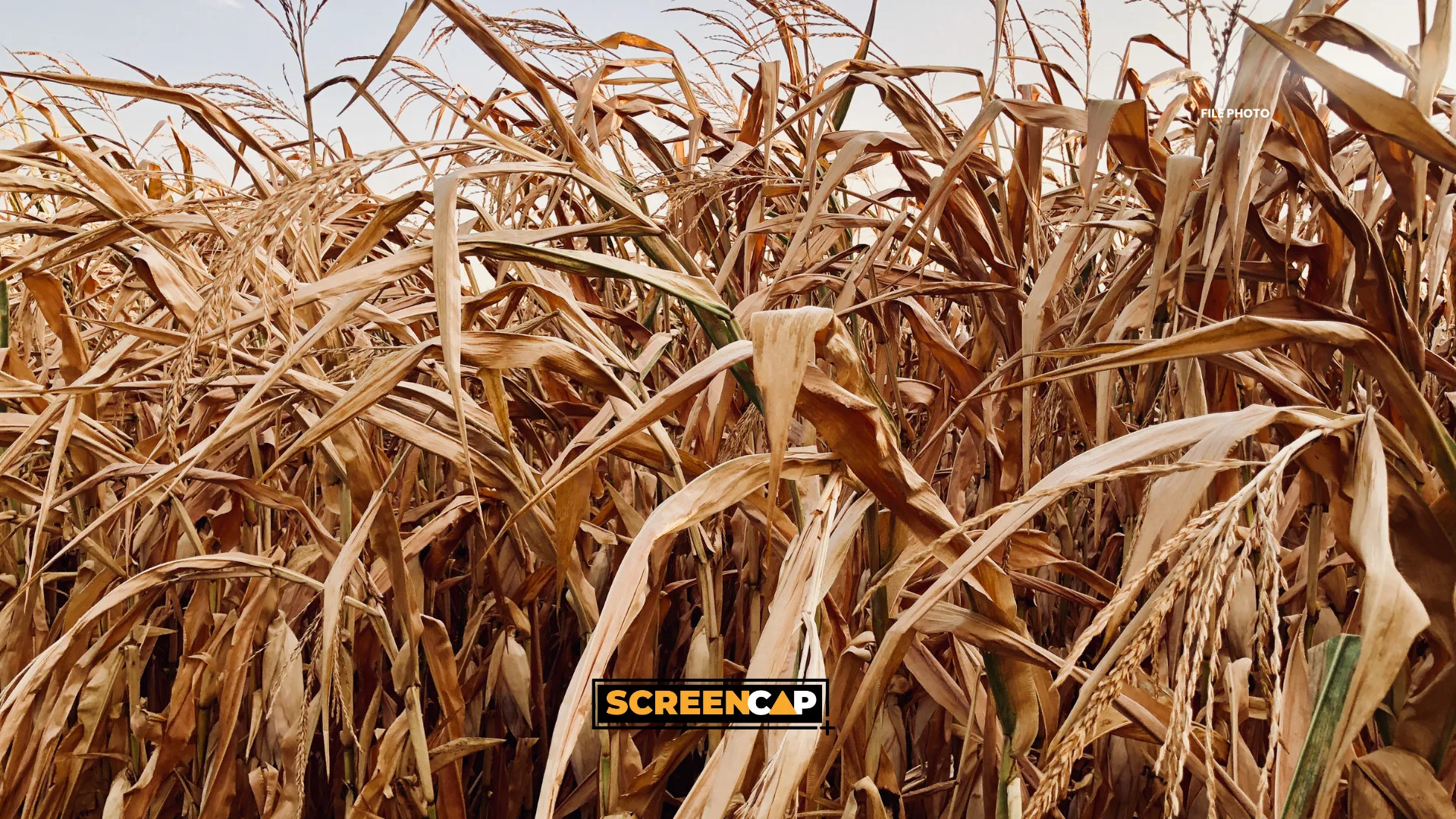
The House of Representatives is pressing for urgent and proactive government preparations to protect farmers, fisherfolk, and the country’s food supply from the looming impact of El Niño.
Lawmakers said the government must stay ahead of prolonged dry conditions, warning that delayed intervention could threaten agricultural production, rural livelihoods, and national food security.
“Huwag nating ipagsawalang-bahala ang usapin ng El Niño. Huwag po nating hintayin na maramdaman ng ating mga magsasaka at mangingisda ang epekto nito bago tayo kumilos. We need to be proactive,” House Speaker Faustino “Bojie” G. Dy III said.
“Kailangan nating tiyakin na maaga pa lamang ay nakahanda na ang mga programa, tulong, at mekanismo ng pamahalaan upang maprotektahan ang kabuhayan ng ating mga kababayan at ang ating suplay ng pagkain,” he added.
Dy said a timely and coordinated response is necessary to keep food on every Filipino family’s table, preserve livelihoods in rural communities, and strengthen the ability of vulnerable sectors to recover from climate-related shocks.
The House Committee on Agriculture and Food, chaired by Quezon Rep. Wilfrido Mark M. Enverga, held a briefing last Wednesday on the plans, programs, and interventions of the government’s Task Force El Niño to cushion the possible effects of the weather phenomenon on agriculture and fisheries.
In his opening remarks, Enverga said the briefing was called because of the urgency of the threat and upon the instruction of the Speaker.
Enverga noted that Task Force El Niño, reactivated through Executive Order No. 53 issued by President Ferdinand R. Marcos Jr., was mandated to craft a comprehensive disaster preparedness and rehabilitation plan and coordinate interventions to strengthen community resilience against El Niño.
“As we all know, the El Niño event poses a serious threat to our agriculture and fisheries sector. The looming dry spell can severely impact rice, corn, high-value crops, and fish production, threatening not only farmers’ and fisherfolks’ livelihoods but also our national food security,” Enverga said.
Lawmakers examined the government’s mitigation plans, intervention strategies, resource allocation, inter-agency coordination mechanisms, and challenges on the ground.
“Our farmers and fisherfolks cannot afford delays. We must ensure that plans, programs, and government interventions are in place to counter the impact of this life and livelihood-threatening phenomenon on the most vulnerable sector, our farmers and fisherfolk,” Enverga said.
Dy said the House will continue working with concerned agencies to ensure that preparedness plans translate into immediate and concrete assistance for affected communities.
The House agriculture panel is set to convene another briefing this coming week on the government’s preparedness measures.