
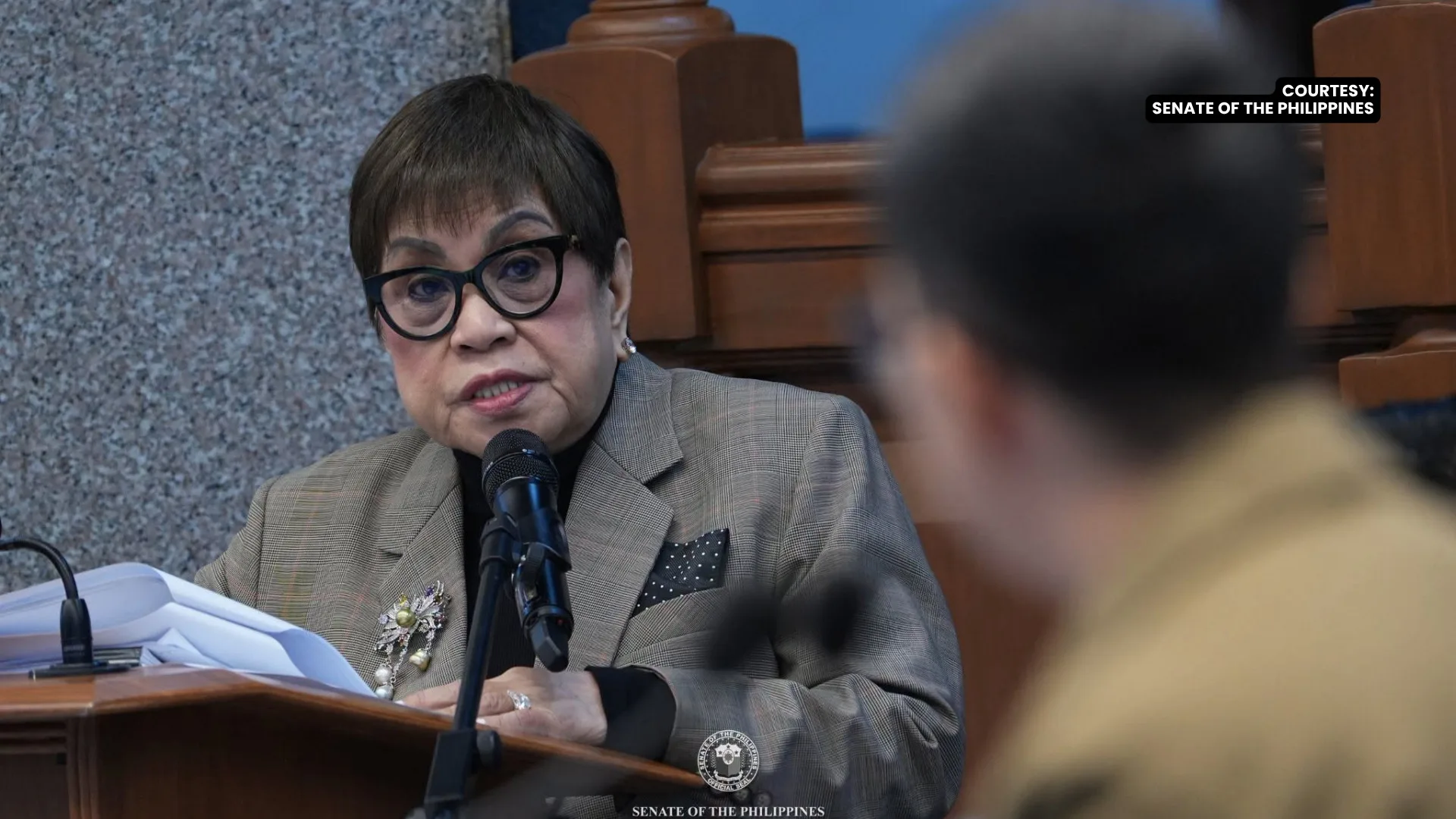
Failure to properly account for confidential funds following a formal demand creates prima facie evidence that accountable officers diverted the money for personal gain, private prosecution spokesperson Atty. Benjamin “Jay” Tolosa Jr. warned on Day 13 of the Senate impeachment trial.
Citing testimony from Commission on Audit (COA) State Auditor Roderick Wamil, Tolosa highlighted Item 8.3 of Joint Circular No. 2015-01, which establishes that unresolved audit deficiencies carry severe legal implications.
“If there’s a failure to liquidate despite demand, then that is already prima facie evidence that the persons who are accountable for these funds misused it or in fact, ang nakalagay doon, used it for his or her personal benefit,” Tolosa said.
Tolosa clarified that a “demand” begins with administrative notices such as an Audit Observation Memorandum (AOM).
“It’s a demand to liquidate,” he said. “Even doon sa AOM pa lang, nagkakaroon na ng demand to liquidate.”
“Sa AOM, sinasabi sa ’yo na kulang ka ng dokumento para patunayan itong mga expenses na dineklara mo. So kailangan mag-submit ka,” he added.
Tolosa noted that if omissions persist once a formal Notice of Suspension is issued, the legal presumption of personal misuse takes hold.
“Kapag nasa Notice of Suspension, hindi pa rin nakapag-liquidate nang tama, nag-a-arise ’yang prima facie evidence,” he said.
Deputy Speaker Paolo Ortega V remarked that incomplete records and reliance on untraceable recipient aliases exacerbated the agency’s audit troubles.
“Kung may complete staff work ’yan, hindi sana minamadali ’yung proseso, hindi sana kulang-kulang, hindi sana aligaga sa paghahabol,” Ortega said.
“Nagkakaroon na ng sunod-sunod na red flags, sunod-sunod na mga tanong, kasi nga hindi nasunod ’yung proseso,” Ortega added.