
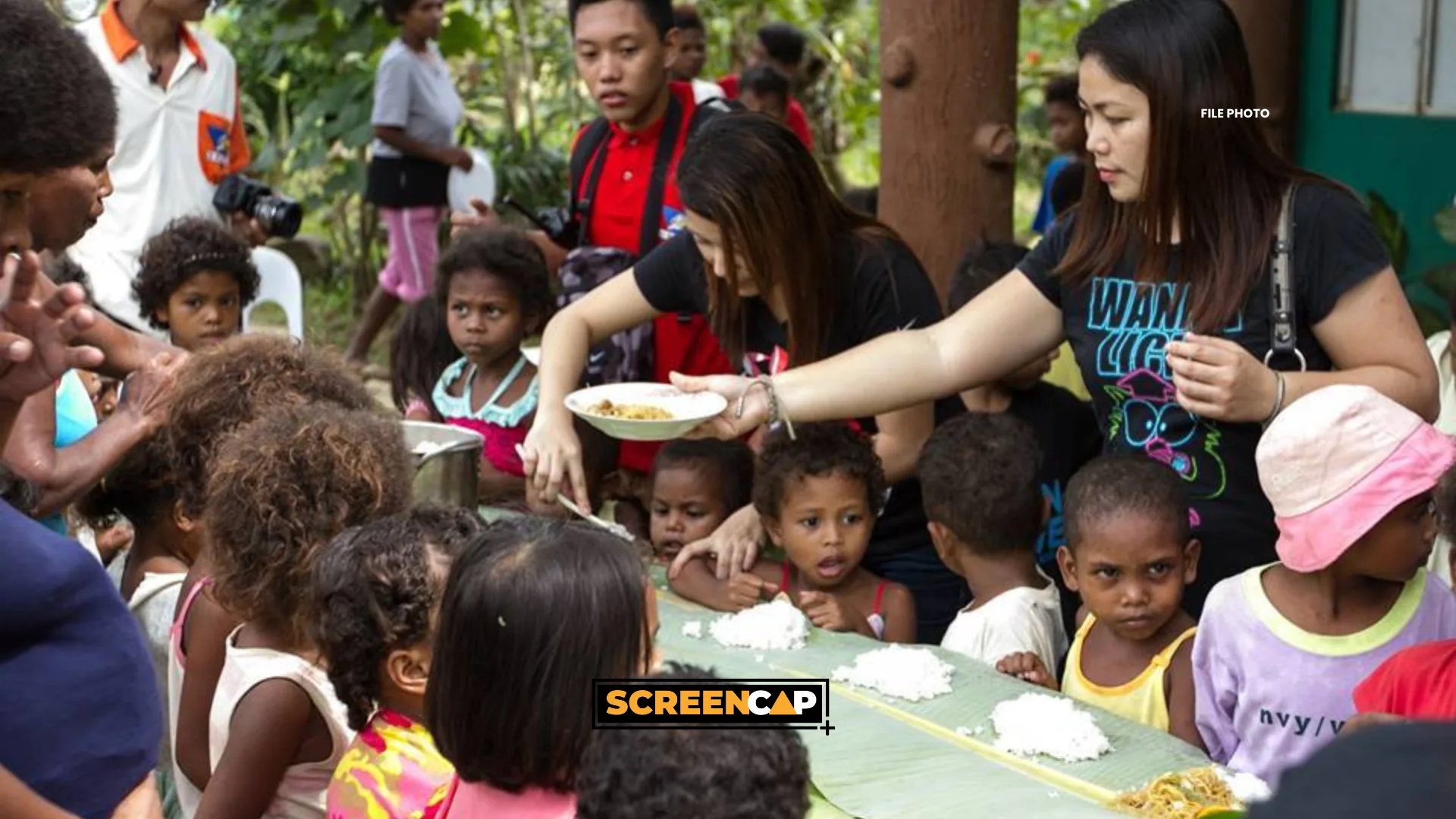
The House of Representatives is moving to expand the government’s feeding program for Filipino children through a proposed national nutrition measure aimed at improving learning outcomes, public health, and support for local food producers.
During the House Committee on Appropriations meeting on the substitute bill for the proposed “Masustansyang Pagkain para sa Batang Pilipino Act,” lawmakers underscored the need to ensure that no child is forced to attend school on an empty stomach.
The measure proposes around P10 billion for daycare children under the Department
of Social Welfare and Development (DSWD), covering 200 feeding days for about 2
million beneficiaries.
It also seeks to provide around P43.2 billion for the first phase of implementation under the Department of Education (DepEd), covering Kindergarten to Grade 3 learners and targeting around 8 million public school children for 200 feeding days.
The proposed allocations are intended strictly for the direct cost of nutritious food, particularly meals sourced from local farmers and fisherfolk. Lawmakers said this would allow the program to address child hunger while also supporting agricultural producers and local food systems.
“Every peso should go to feeding children and supporting our farmers and local producers. This is about nutrition, education, and livelihood working together,” Deputy
Speaker and Iloilo Rep. Janette Loreto-Garin said.
The bill also seeks to prevent the use of the proposed funding for maintenance and other operating expenses, including meetings, orientations, or kitchen tools, to ensure
that resources go directly to meals for children.
Proponents said proper nutrition is closely linked to better health, stronger cognitive
development, improved school participation, and higher learning performance.
“This is an investment in our children and in the country’s future. Nutrition is directly connected to learning, productivity, and long-term national development. If we want a stronger Philippines, we must start by ensuring that our children are healthy and well-nourished,” the Iloilo solon noted.
The substitute bill seeks to strengthen and expand the existing feeding initiative into a broader national nutrition program covering early childhood care and public school learners nationwide.
The measure is part of the priority legislative agenda under the Legislative-Executive Development Advisory Council of President Ferdinand Marcos Jr