Grid code compliance, rate-setting oversight, and consumer protection protocols have taken priority across regional power distribution networks as regulatory bodies subject electric cooperative management to comprehensive technical and operational training frameworks.
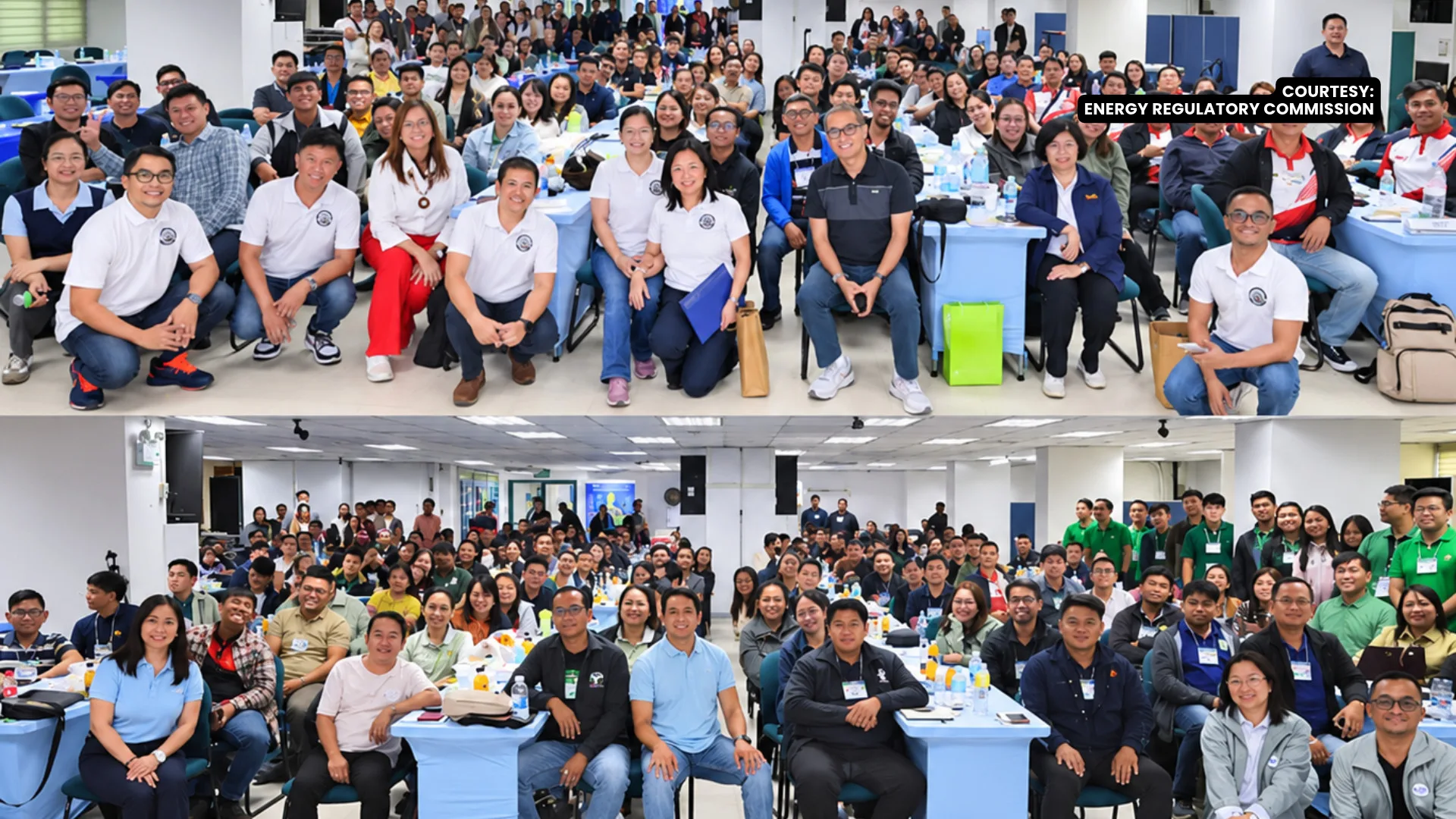
The Energy Regulatory Commission (ERC) and the National Electrification Administration (NEA) trained more than 160 electric cooperative representatives from Northern and Central Luzon on electricity regulations, renewable energy programs and consumer protection.
The three-day Continuing Regulatory Education for Stakeholders (CREST) program was held from November 4 to 6, 2026, at the NEA Building in Diliman, Quezon City, with participants from Regions I, II and III, and the Cordillera Administrative Region.
The first-day sessions covered customer choice and renewable energy programs, including Net Metering, Distributed Energy Resources, Self-Generating Facilities, Renewable Portfolio Standards and the Renewable Energy Market. Participants also discussed Retail Competition and Open Access.
The second day focused on key regulatory frameworks, including the Rules for Setting the Electric Cooperatives’ Wheeling Rates and the 2026 Edition of the Philippine Grid Code.
Discussions also covered the new electricity billing format, Lifeline Rate Subsidy, Senior Citizen Discount, other charges imposed by distribution utilities, and the Enhanced Billing, Revenue and Cashiering System.
On the final day, ERC officials discussed the 2026 Rules of Practice and Procedure, updates on the Competitive Selection Process, and the 2026 Magna Carta for Electricity Consumers, which outlines updated consumer rights and protection measures.
Technical sessions also tackled Meter Shop Rules, Meter Type Approval Rules and Advanced Metering Infrastructure Rules.
The program provided opportunities for participants to raise questions, clarify regulatory requirements and engage directly with ERC resource persons through open forums and interactive discussions.
The participating electric cooperatives included INEC, ISECO, LUELCO, PANELCO I, CENPELCO, PANELCO III, ISELCO I, ISELCO II, NUVELCO, QUIRELCO, ABRECO, BENECO, IFELCO, KAELCO, AURELCO, NEECO I, NEECO II-A1, NEECO II-A2, PELCO I, PELCO II, PELCO III, PENELCO, PRESCO, SAJELCO, TARELCO I, TARELCO II, ZAMECO I and ZAMECO II.
The ERC said the partnership with NEA underscores its commitment to improving regulatory compliance, promoting transparency and consumer protection, and strengthening the technical and institutional capacity of electric cooperatives.
The CREST program is part of the commission’s continuing efforts to equip electricity sector stakeholders with the knowledge and tools needed to provide reliable, efficient and consumer-oriented services, particularly in communities served by electric cooperatives.