
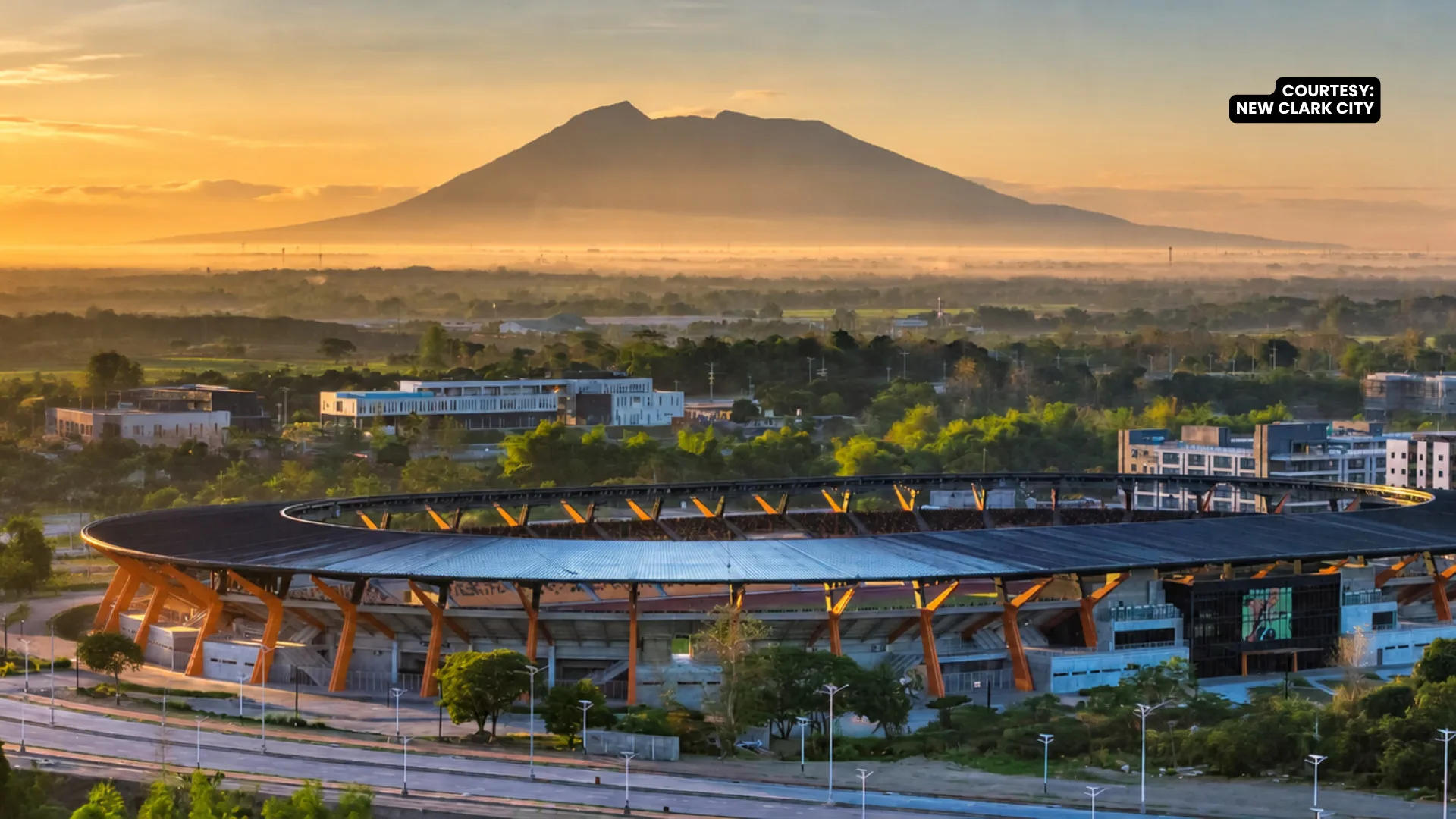
The Department of Trade and Industry (DTI) is positioning a planned 1,600-hectare high-tech industrial hub in New Clark City to elevate the Philippines’ standing in global value chains, aiming to draw substantial investments in advanced manufacturing, logistics, and emerging technology sectors.
In a television interview on Tuesday, DTI Undersecretary Ceferino S. Rodolfo highlighted that the Pax Silica Industrial Hub aligns directly with national economic goals outlined by President Ferdinand R. Marcos Jr.
During his 2026 State of the Nation Address, President Marcos underscored the drive toward high-value growth sectors: “We continue to strive for bigger and greater things, venturing into areas heretofore unimaginable. That is, strategic and emerging industries that position our country in the global value-chain, such as in the fields of pharmaceuticals, advanced manufacturing, luxury goods, technology, and logistics.”
The President added during his address: “The Pax Silica Industrial Hub will create an eco-system that will have AI at its core. It will bring quality jobs to our people, accelerate our industrial competitiveness, and revitalize our economy. As a strategic component of the Luzon Economic Corridor, the hub will be an advanced manufacturing and logistics center in the global AI and technology value chain.”
Rodolfo noted that shifting away from exporting raw, unprocessed materials toward higher value-added processing and high-tech component manufacturing is central to transforming the domestic economy.
“Ang gusto talaga ni Presidente ay ma-transform ang Pilipinas into a modern and technology-driven economy. At ang impact nito sa ating mga kababayan na gusto niya ay magkaroon ng malaking kita ang mga kababayan natin, mataas ang sahod, at mas advanced ang mga trabahong magiging available sa ating mga kababayan,” Rodolfo said.
“Ang objective talaga natin (sa pagsali sa Pax Silica initiative) ay makadagdag tayo ng value sa mga inexport nating unprocessed materials. Tapos, kung mag-eexport tayo ng mga processed components ay tumaas tayo doon sa (global) value chain,” he explained.
Addressing potential misconceptions about the project’s scope, the DTI official clarified the exact nature of the manufacturing facilities intended for the location.
“Dito sa New Clark City, kailangang linawin natin na ang nakikita nating mga industriya dito sa NCC ay advanced manufacturing. Hindi data center ang itatayo natin dito. At hindi rin ito mineral processing. Ang itatayo dito ay pabrika ng mga components, mga equipment na pumapasok doon sa data centers. Hindi iyong data center ang itatayo dito. Mga halimbawa nito ay semi-conductor assembly, advanced packaging, electronics manufacturing. Iyong mga angkop sa New Clark City,” Rodolfo said.
He reiterated, “Hindi po hyperscale data centers ang itatayo natin dito (sa New Clark City) kundi mga pabrika, advanced manufacturing (industries) ang itatayo natin.”
According to estimates from the Bases Conversion and Development Authority (BCDA), the hub could generate roughly 200,000 specialized jobs, spanning roles for engineers, scientists, AI specialists, software developers, semiconductor technicians, manufacturing supervisors, and researchers.
To support this talent pool, educational and training facilities will operate onsite, including the UP New Clark City extension office, the Philippine Science High School’s Infinitum Center for continuing educator training, and planned campuses for the Technological University of the Philippines and the Polytechnic University of the Philippines.
“Napakahalaga na ang mga academic at training institutions na ito ay nandyan onsite. Side by side kung saan magkakaroon tayo ng high technology advanced manufacturing economic park para iyong buong ecosystem ay mabuo natin,” Rodolfo said.
Responding to potential concerns regarding power and water consumption, Rodolfo explained that developers and investors will be expected to self-sustain their utility requirements to avoid straining local community resources.
“Kahit po mga factories kailangan nila ng kuryente. Kailangan din nila ng tubig. Ang usapan po natin doon sa mga developers at investors diyan. Una, build your own roads. Bring your own power. Secure and reuse your own water. Para hindi po tayo kakain doon sa mga existing capacity na nakatutok na sa mga communities around it. Magkakaroon po diyan ng additional power capacity additional water impounding stations. Kung ano po ang sosobra ay maiishare natin sa mga komunidad,” he noted.