
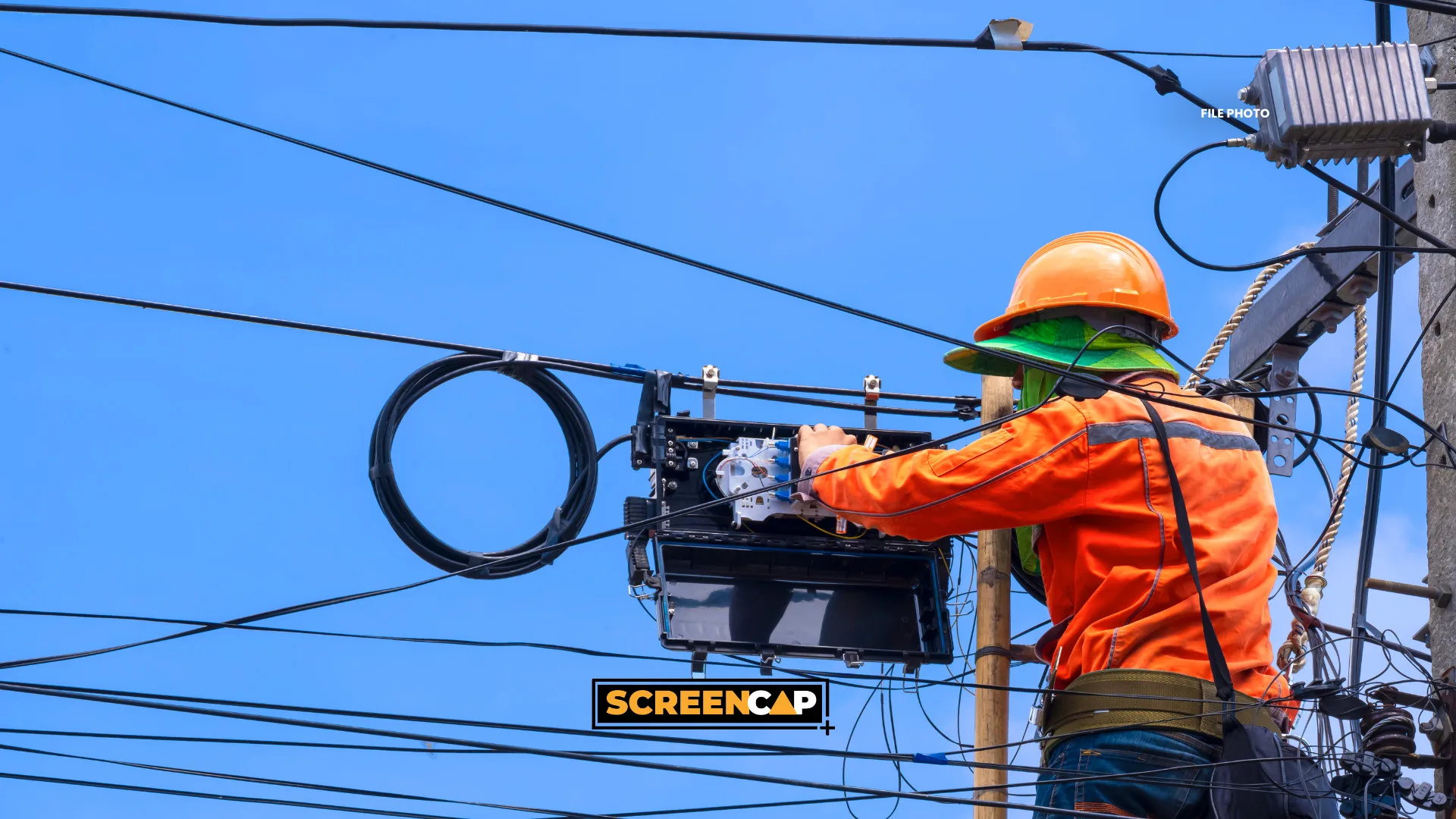
PLDT Inc. is accelerating the solarization of its cell sites as part of efforts to manage rising electricity costs, improve energy efficiency, and strengthen network resilience amid global inflationary pressures and geopolitical uncertainties.
PLDT chief operating officer Menardo Jimenez Jr. said the company is closely monitoring early business indicators as market conditions continue to affect consumer behavior and operating costs.
“With the current environment, it’s still too early to tell how consumer behavior will ultimately evolve,” Jimenez said.
“We’re looking at initial data to understand any impact on our business. On our end, the bigger focus is really on managing costs, especially electricity and fuel, and that’s where our sustainability initiatives come in,” he added.
Jimenez said electricity and fuel remain among the company’s largest and most volatile operating expenses. Fuel costs are partly cushioned by PLDT’s special pricing agreements with major fuel distributors, but electricity expenses remain more exposed to market movements due to the lack of long-term contracts across some facilities.
“That’s where we’re seeing the biggest jump,” Jimenez said. “We’re becoming much more disciplined in how we manage power consumption, and we’re accelerating our ability to solarize our cell sites. This allows us to become more efficient and gives us greater control over our energy costs.”
The accelerated solarization program forms part of PLDT and Smart’s broader green transition, which has been positioned as a key component of operational resilience amid the global energy crisis.
The initiative is anchored on the group’s commitment to cut Scope 1 and Scope 2 emissions by 40 percent by 2030. PLDT said decarbonization has been integrated into its network planning, facility operations, and energy procurement strategies over the past several years.
By expanding the use of on-site solar power at cell sites, PLDT aims to reduce its reliance on grid electricity, improve cost predictability, and enhance network stability, particularly in areas vulnerable to power disruptions and energy price volatility.
“We don’t have the benefit of perfect visibility given global conditions,” Jimenez said. “What we can do is act decisively on the areas we can control. Solarizing a lot of our sites strengthens our resilience while supporting our sustainability goals.”
PLDT said several major facilities in Greater Metro Manila already operate fully on renewable energy, while high-consumption buildings are powered through clean energy supply agreements.
Smart has also deployed AI-enabled green radio technology, which helps reduce energy use by dynamically adjusting a cell site’s power consumption based on real-time network demand.
“As long as current pressures do not extend deep into the second half of the year, we believe these measures will allow us to manage on the OPEX side,” Jimenez said.
“Our priority is to protect our network, manage costs responsibly, and continue delivering reliable connectivity for our customers,” he added.