The proposed KALINGA Bill is nearing final approval in the House of Representatives as lawmakers move to establish a long-term government response to soaring fuel prices, inflation, and energy-related crises affecting Filipino households and industries.
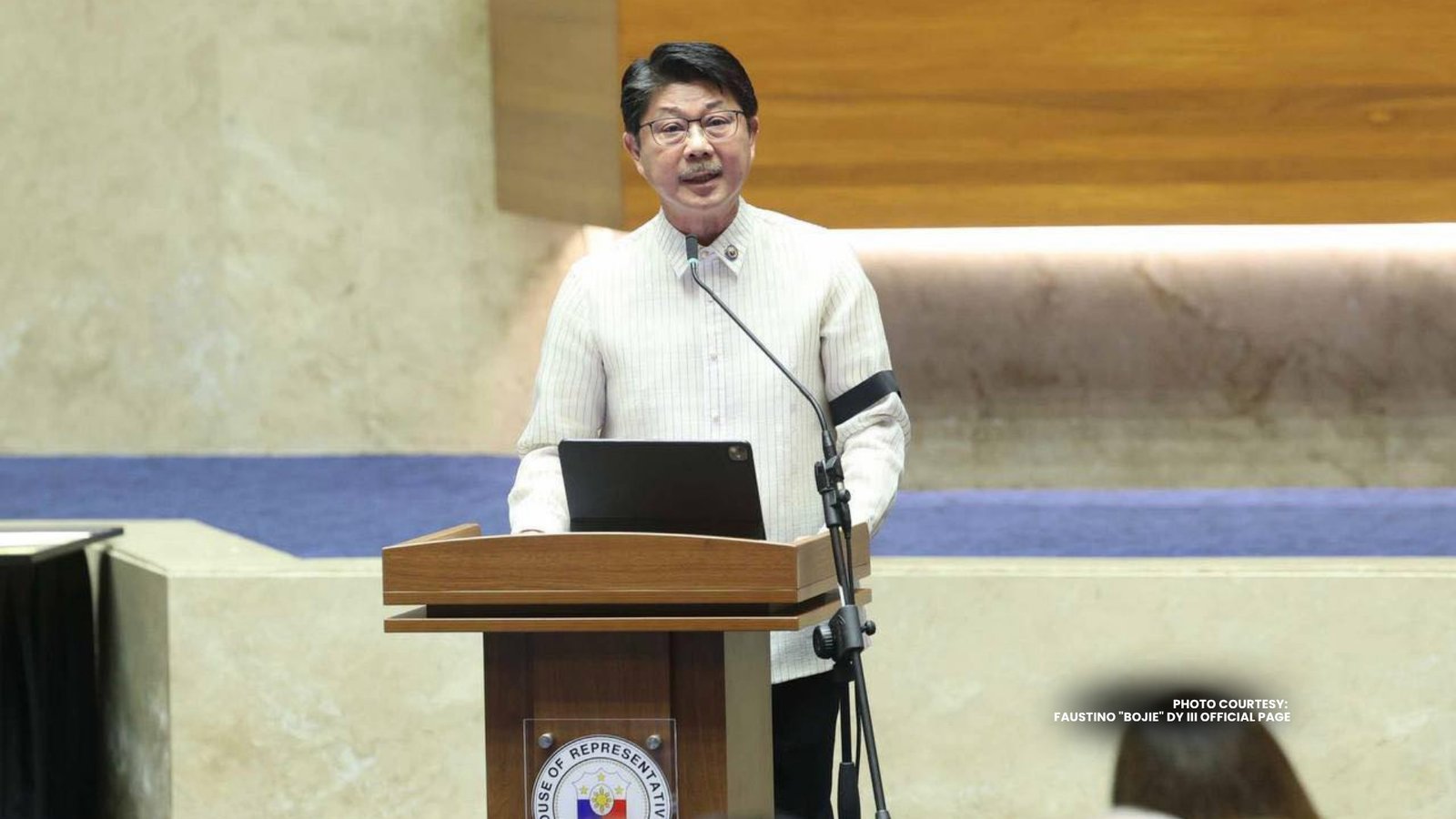
Backed by Speaker Faustino “Bodjie Dy III and Majority Leader Ferdinand Alexander “Sandro” Marcos, the measure is now in its final stages of deliberation ahead of Congress’ sine die adjournment.
At a recent meeting of the Ad Hoc Committee on Legislative Energy Action and Development (LEAD), Marikina City Rep. Miro Quimbo said lawmakers were consolidating the findings and recommendations from a series of consultations and marathon hearings into a substitute bill.
The consultations involved economic managers, transport groups, labor organizations, agriculture and fisheries stakeholders, and business representatives.
The Marikina solon said the proposed legislation would serve as a comprehensive framework for responding to extraordinary increases in fuel prices and broader economic disruptions.
Known as the “Komprehensibong Alalay sa Livelihood, Inflation, Negosyo at Goods Assistance” or KALINGA Bill, the measure seeks to institutionalize automatic government interventions during fuel supply disruptions, inflation spikes, and energy emergencies.
“For the past two months, the House of Representatives has conducted a series of briefings and marathon hearings on the continuing energy crisis,” he said.
He noted that discussions intensified shortly after tensions in the Middle East escalated on February 28, raising fears of another global oil shock that could heavily affect the Philippines.
“This began only days after the conflict in the Middle East erupted as it became clear that developments abroad could very quickly become a burden here at home,” he added.
The hearings were initially conducted by the LEAD Joint Committee, a 13-panel body that continued consultations even during the congressional break before it was formally converted into the Ad Hoc Committee on LEAD.
Quimbo said the House, under the leadership of Speaker Dy, closely coordinated with the executive branch and affected sectors to assess how rising fuel prices were impacting ordinary Filipinos and the broader economy.
“Sa dulo ng mga back-to-back sessions na ito, isa ang tinunton ng ating mga pinag-usapan: ito’y isang krisis na nagsimula sa petrolyo ngunit mabilis na gumapang sa buong ekonomiya, hanggang sa maramdaman ng bawat tahanang Pilipino,” he said.
The lawmaker emphasized that fuel costs influence nearly every aspect of daily life, including transportation, food production, electricity, logistics, and small business operations.
“Fuel is not just one commodity. It is an input into almost everything that keeps daily life moving,” Quimbo stressed.
Aside from targeted assistance for vulnerable sectors, the proposed measure also includes long-term reforms designed to lessen the country’s dependence on imported fuel. These include conservation programs, fuel efficiency measures, renewable energy initiatives, and supply stabilization policies.
“The proposals before us are meant to provide more than immediate relief, but to begin the long-term systemic changes to reduce our fuel dependency,” Quimbo said.
“This is the spirit of the KALINGA bill: relief now, resilience for the future,” he added.
As deliberations near completion, House leaders underscored the urgency of passing the measure before rising fuel costs place further strain on Filipino families and businesses.