

As global standards shift, more Filipino businesses are treating sustainability not just as advocacy, but as a competitive strategy
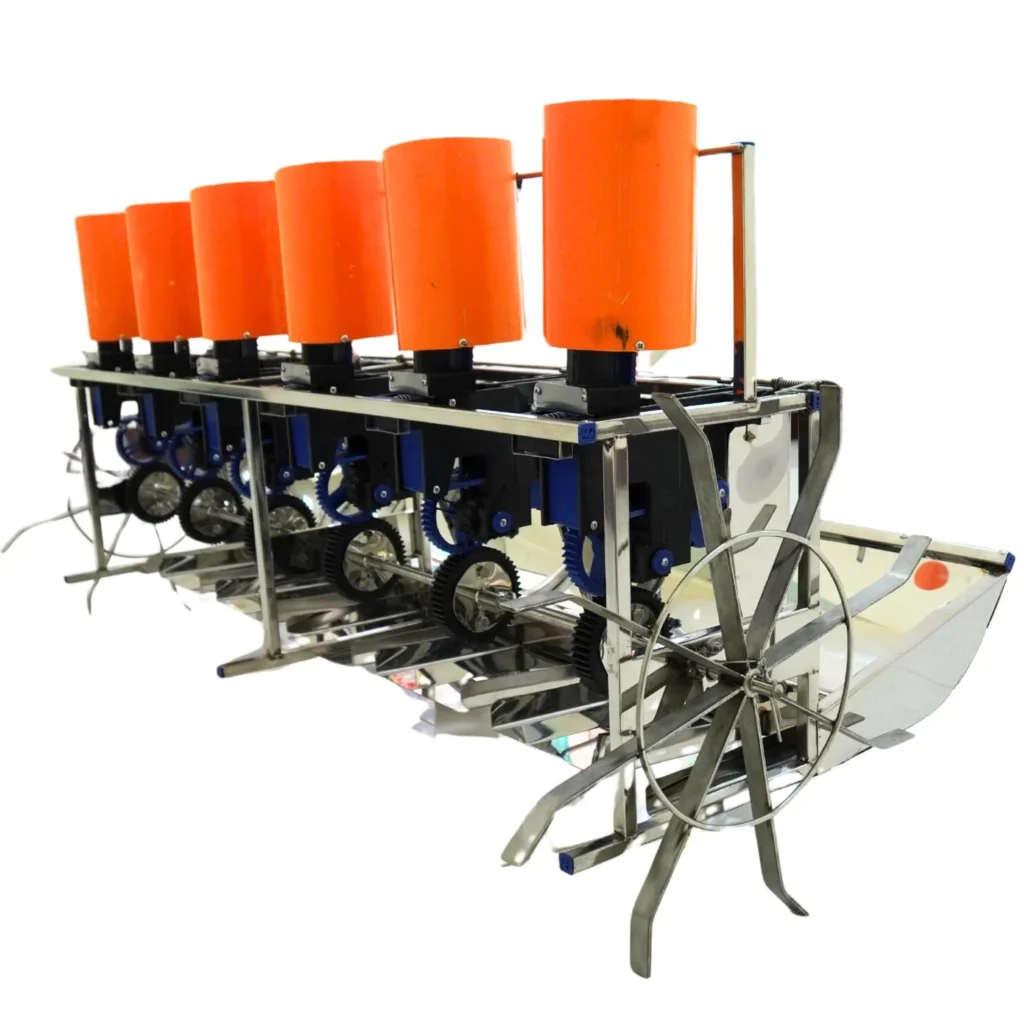
There is a machine called the Palatak Palay Seeder that says something important about where the Philippines may be headed next.
Built by local agricultural manufacturer Farmwell Agricultural Machinery Manufacturing, the machine plants rice seedlings with precision while reducing labor and waste. In 2025, it received a Presidential Filipinnovator Award for its contribution to local innovation. It was not developed in Silicon Valley or imported from overseas. It was designed by people who understand Filipino farms and the realities of local agriculture.
For many advocates pushing sustainability in the Philippines, that distinction matters.
Conversations about sustainability often revolve around multinational corporations, expensive certifications, or global climate pledges. But a growing number of Filipino entrepreneurs are beginning to argue that sustainability is no longer just an environmental talking point but a business necessity.
That shift in thinking will take center stage at the Sustainability Solutions Exchange (SSX), a government-led initiative under the Center for International Trade Expositions and Missions (CITEM), which returns this May as part of IFEX Philippines 2026 at the World Trade Center Metro Manila in Pasay City.
Unlike traditional conferences heavy on corporate jargon and abstract promises, SSX is positioning itself as a practical marketplace for businesses trying to navigate changing global standards.
International buyers, especially from Europe and Japan, are increasingly requiring sustainability documentation before entering partnerships or purchasing products. For many Filipino food exporters and small manufacturers, this creates both pressure and uncertainty. Many are still trying to understand how sustainability reporting, green financing, and circular economy practices fit into businesses already operating on tight margins.
“Sustainability is a necessity for Filipino enterprises to remain competitive on the global stage,” CITEM Executive Director Leah Pulido-Ocampo said. “Through the Sustainability Solutions Exchange, we are building a collaborative ecosystem that equips our MSMEs with the tools, capital, and market intelligence needed to thrive in a circular economy.”
The circular economy model encourages businesses to minimize waste and maximize the reuse of materials instead of relying on the traditional cycle of produce, consume, and discard. At SSX, that concept moves beyond theory.
Co-locating SSX inside IFEX Philippines, the country’s largest export-oriented food trade show, is also a deliberate move. It places sustainability conversations directly inside a commercial environment where exporters, suppliers, manufacturers, and investors are already doing business.
The exhibition will feature businesses focused on green finance, waste and water management, clean energy, sustainable packaging, food innovation, and agri-tech. Participating exhibitors include companies such as Siklo Enterprises, Junk Not!, Rainphil Inc., and Farmwell Agricultural Machinery Manufacturing.
The event will also host seminars designed specifically for Filipino enterprises looking for practical guidance.
One session organized by the Global Reporting Initiative will focus on helping food MSMEs access green loans by teaching them how to prepare sustainability reports that banks and investors increasingly require. Another seminar will introduce the ICUE framework, a collaborative model connecting universities, industries, entrepreneurs, and local governments to strengthen innovation ecosystems in the Philippines.
Organizers will also hold startup pitching sessions designed to connect sustainability-focused enterprises with potential buyers, partners, and investors in real time.
For many participants, however, the appeal of events like SSX lies not only in the discussions but in the possibility of actual business connections.
A food exporter looking for sustainable packaging solutions may meet a supplier on the exhibition floor. A startup focused on clean production methods may find investors or collaborators. A small manufacturer trying to adjust to international environmental standards may finally discover practical ways to begin.
Real change, advocates say, rarely happens overnight. It spreads slowly through partnerships, introductions, and businesses proving that sustainable practices can also make economic sense.
The Palatak Palay Seeder did not become an award-winning innovation because someone simply talked about sustainability. It succeeded because someone built something useful that solved a real problem.
Organizers are already planning a larger October edition of SSX that will expand discussions beyond food exports into fashion, home, lifestyle, and smart city industries, reflecting how sustainability concerns are steadily moving into wider areas of Philippine business.
In many ways, SSX is betting that the future of Philippine sustainability will depend on more businesses doing exactly the same.