
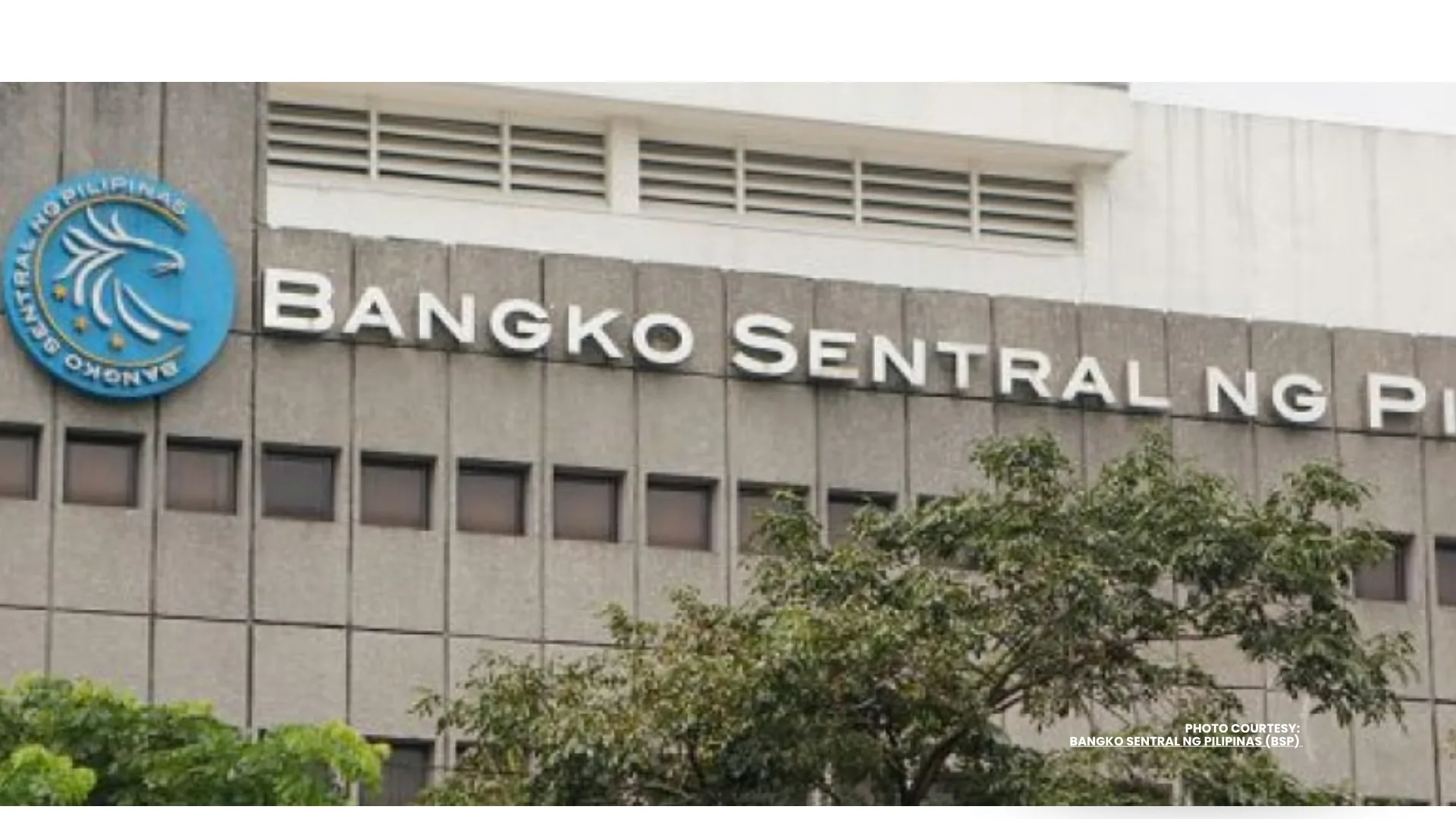
Filipinos could soon receive automatic protection from bank fees, loan penalties, and payment obligations during national emergencies under a proposed measure seeking to strengthen consumer safeguards in times of crisis.
Senate Bill No. 2121, or the Emergency Financial Stability and Consumer Protection Act, would grant the Bangko Sentral ng Pilipinas (BSP) stronger authority to require banks and financial institutions to provide mandatory relief measures during national emergencies.
The proposal aims to address gaps exposed during previous crises, including the COVID-19 pandemic and the recent national energy emergency, when the BSP could only encourage banks to extend relief programs but had no legal power to compel uniform compliance.
Under the proposed measure, once a national emergency is declared and the BSP Monetary Board determines that extraordinary intervention is needed, the central bank may issue binding directives to all BSP-supervised financial institutions.
These institutions include banks, quasi-banks, electronic money issuers, digital payment operators, and other regulated entities.
The bill would allow the BSP to impose mandatory grace periods, payment deferrals, loan restructuring arrangements, and other financial assistance programs for affected consumers.
It would also authorize the temporary suspension or waiver of transaction fees on digital payment services such as InstaPay and PESONet to ease financial pressure on the public during emergencies.
The bill seeks to ensure that financial relief becomes guaranteed rather than being dependent on voluntary compliance by banks.
“Voluntary compliance is not good enough when Filipinos are struggling to keep the lights on, pay their loans, and put food on the table,” Senator Joel Villanueva said.
The proposal also includes safeguards limiting the BSP’s emergency powers.
Under the bill, emergency directives may only remain effective for up to 180 days after the end of a declared emergency unless extended through legislation. Measures must also remain temporary, targeted, and proportionate to the crisis.
Financial institutions that comply in good faith would be protected from civil, administrative, or criminal liability unless fraud, gross negligence, or willful misconduct is involved.
Meanwhile, institutions that fail to comply could face administrative sanctions under existing banking laws, including fines, cease-and-desist orders, and suspension of officers responsible for non-compliance.
The bill would also require the BSP to submit a post-crisis report to Congress detailing the measures implemented, their economic impact, enforcement actions taken, and recommendations for future emergencies.
Proponents of the measure said the proposal aims to strengthen public confidence in the financial system and ensure that ordinary Filipinos receive immediate relief when future crises arise.