
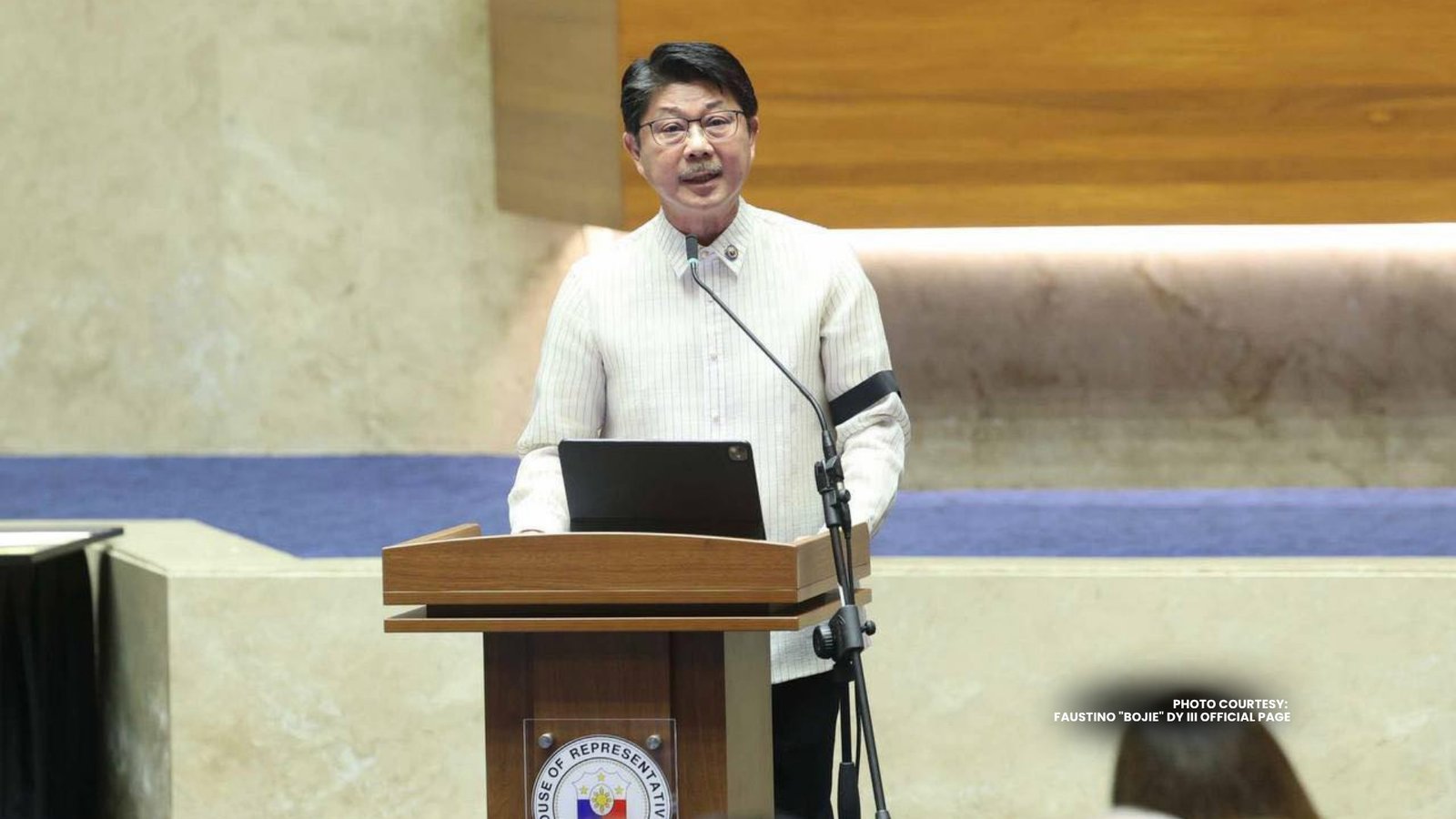
With global fuel prices climbing and supply uncertainties threatening to ripple through the economy, the government’s top economic officials have thrown their full backing behind the proposed KALINGA bill, describing it as a critical safeguard to protect livelihoods and stabilize the country amid an escalating energy crunch.
During a hearing of the House Ad Hoc Committee on Legislative Energy Action and Development (LEAD), economic managers underscored the urgency of adopting a unified and institutionalized response to mitigate the effects of fuel-driven inflation and global market disruptions.
House Bill No. 8834, authored by Speaker Faustino Dy III and Majority Leader Sandro Marcos, proposes the creation of the KALINGA Program, or short for Komprehensibong Alalay sa Livelihood, Inflation, Negosyo at Goods Assistance. The measure seeks to establish a whole-of-government framework that can be activated during times of crisis to ensure energy security, maintain the flow of essential goods, and deliver targeted assistance to vulnerable sectors.
Acting Department of Budget and Management (DBM) Secretary Rolando Toledo said the DBM supports the bill, noting that geopolitical tensions, particularly in the Middle East, continue to pose risks to energy supply and drive up costs.
He explained that the proposal would grant the President limited emergency powers, enabling swift mobilization of resources, uninterrupted delivery of essential services, and timely support for affected communities.
The Department of Finance (DOF) echoed this position, saying the bill would institutionalize a response mechanism similar to the Bayanihan laws enacted during the COVID-19 pandemic. Finance Undersecretary Karlo Adriano said the framework would help cushion the economy from inflationary shocks while extending assistance to low-income households, farmers, and small businesses.
Meanwhile, the Department of Economy, Planning, and Development (DEPDev) said the measure would enhance the government’s capacity to act decisively in times of crisis. Undersecretary Joseph Capuno emphasized the importance of stronger coordination between the executive branch and Congress in responding to external shocks.
Support also came from the Bangko Sentral ng Pilipinas (BSP), which highlighted the need for fiscal discipline while acknowledging the bill’s role in strengthening the government’s ability to manage inflation and supply disruptions. BSP Department of Economic Research Director Dennis Bautista said the proposed framework would allow flexible and timely policy responses while safeguarding macroeconomic stability.
Economic managers agreed that the KALINGA bill could serve as a central pillar in the country’s strategy to navigate volatile global energy markets, enabling faster intervention, better-targeted support, and sustained economic resilience.
The LEAD panel continues to consolidate recommendations from various agencies and stakeholders as deliberations move forward, positioning the KALINGA bill as a key legislative measure to address the unfolding energy crisis.