
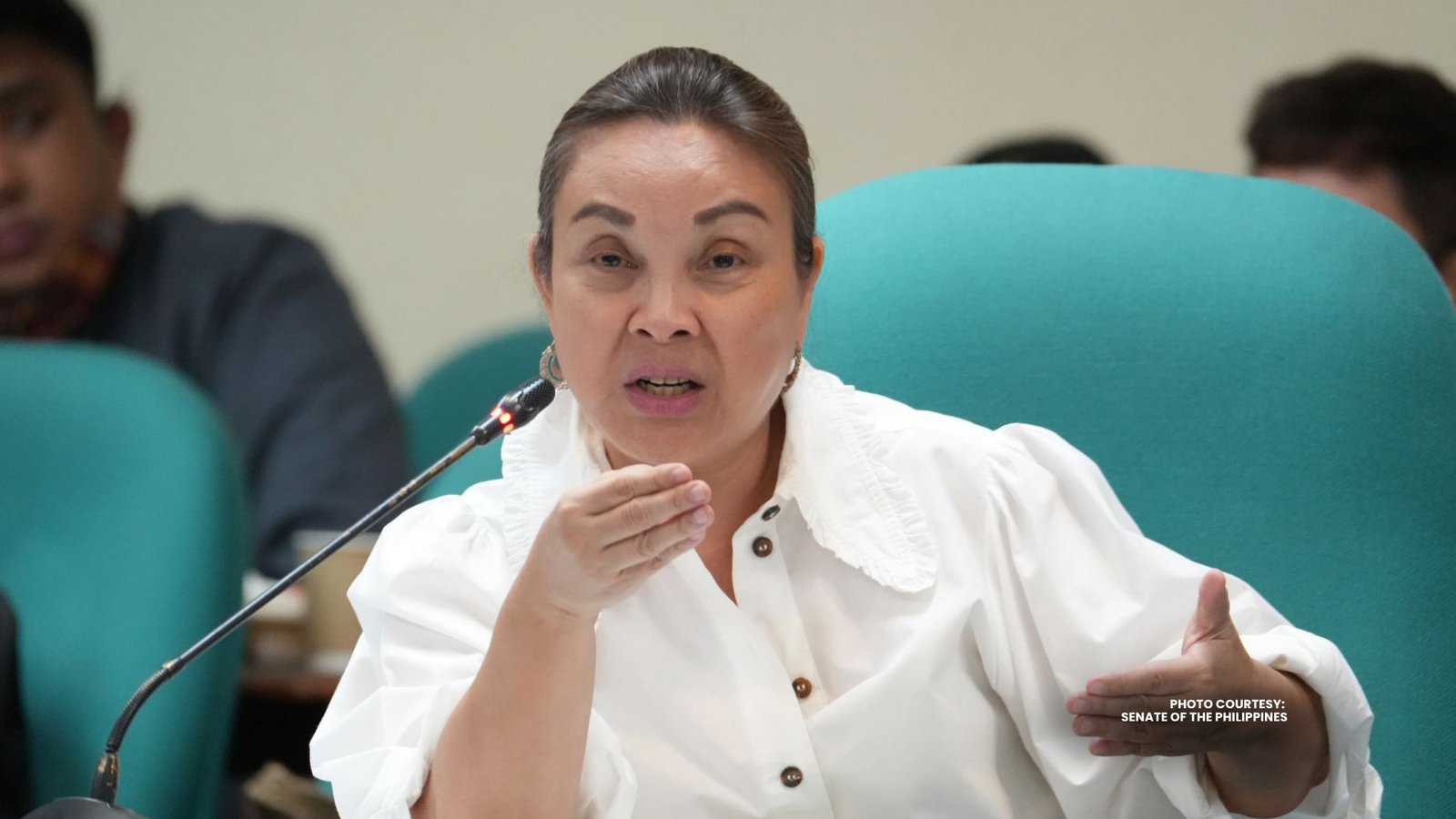
Sen. Loren Legarda on Thursday pressed for a major policy shift toward anticipatory climate financing, calling on the government to move beyond reactive disaster response and invest in measures that protect vulnerable communities before calamities strike.
Speaking at the Asia Conference on Climate Change and Disaster Resilience held at the Asian Institute of Management, Legarda emphasized the need to abandon what she described as a cycle of “trauma and repair” and instead prioritize preparedness anchored on scientific forecasts.
Addressing an audience that included representatives from the World Bank, Asian Development Bank, and Bangko Sentral ng Pilipinas, the senator warned that intensifying typhoons, rising sea levels, and global supply disruptions are worsening food insecurity and climate risks.
She reiterated earlier warnings about the scale of the climate crisis, echoing concerns raised by UN Secretary-General António Guterres, who has described current global conditions as “global boiling.”
Legarda highlighted what she called a “First Mile/Last Mile disconnect,” where funding and policies are in place but often reach communities too late to prevent damage and loss of life. She stressed the need for legislation that allows disaster funds to be released based on forecasts rather than waiting for official calamity declarations.
Among her key proposals was the integration of anticipatory mechanisms into fiscal policy, including automatic cash transfers triggered by advisories from the Philippine Atmospheric, Geophysical and Astronomical Services Administration (PAGASA). She said such measures should prioritize women, indigenous groups, senior citizens, persons with disabilities, and residents of remote areas.
The senator also urged local governments and development partners to rethink investment strategies, discouraging projects that merely rebuild vulnerable systems and instead promoting those that reduce long-term risk.
Legarda underscored that resilience is not only about infrastructure but also about financial readiness. She pointed out that faster fund mobilization, from the national treasury down to barangays, can significantly reduce the impact of incoming disasters and help stabilize the broader economy.
She also spotlighted the role of young Filipinos in advancing climate action, calling for greater access to funding mechanisms such as the People’s Survival Fund and opportunities under the Philippine Ecosystem and Natural Capital Accounting System law.
Legarda concluded by urging policymakers to redefine preparedness, saying success should be measured not by how much is rebuilt after disasters, but by how much damage and loss are prevented.
The conference, themed “From Risk to Readiness: Investing in Climate Futures in Asia,” also featured academic initiatives aimed at strengthening disaster risk expertise, including graduate scholarship programs in data science and climate resilience.