
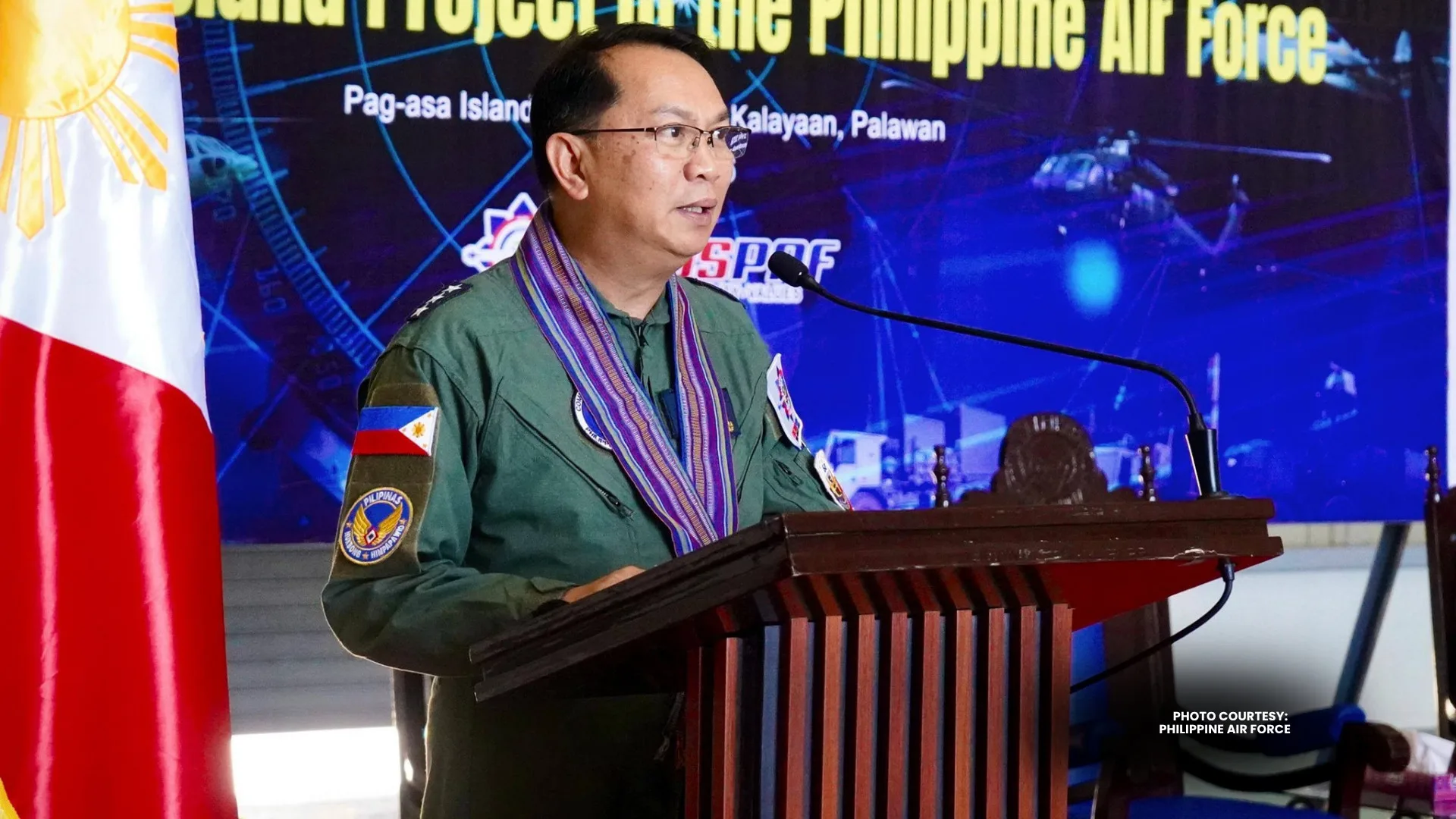
Philippine Air Force (PAF) chief General Arthur Cordura called on senior commanders to exercise decisive leadership and avoid complacency, warning that delays could undermine operational readiness amid evolving security threats.
Cordura made the remarks during the second day of the Air Force’s second-quarter command conference at Villamor Air Base on Tuesday.
“In this environment, delay carries a heavy cost and complacency creates unmitigated risk,” he said, stressing that leadership will be measured by preparedness, discipline, and mission outcomes.
He added that commanders will be evaluated based on unit readiness and their ability to deliver results in a rapidly changing security landscape.
The first day of the conference was presided over by Air Force Vice Commander Major General Pablo Rustia Jr., according to the PAF.
The command conference serves as a platform to review operational performance, set priorities, and reinforce direction in support of national defense objectives.
Discussions focused on strengthening preparedness, improving coordination, and anticipating emerging threats.
“The gathering reaffirmed the PAF’s dedication to agility, responsiveness, and high standards of performance,” the service said, noting that the conference also promoted closer coordination among major commands and units.
Officials said the meeting forms part of ongoing efforts to build a more capable and adaptive Air Force focused on safeguarding national airspace.
Separately, Filipino and American troops conducted an Integrated Air and Missile Defense exercise under Exercise Balikatan.
The Combined Joint Information Bureau said the drill was held at Naval Station Leovigildo Gantioqui in San Antonio, Zambales.
During the exercise, forces from both countries worked together to detect, track, and engage simulated aerial threats using a coordinated “sensor-to-shooter” system.
Radar data from early warning systems were processed and relayed to tactical units, enabling rapid engagement using missile defense platforms.
Officials said the integration of counter-unmanned aerial systems further enhanced the forces’ ability to respond to drone and other aerial threats, underscoring the growing emphasis on integrated air defense operations.