
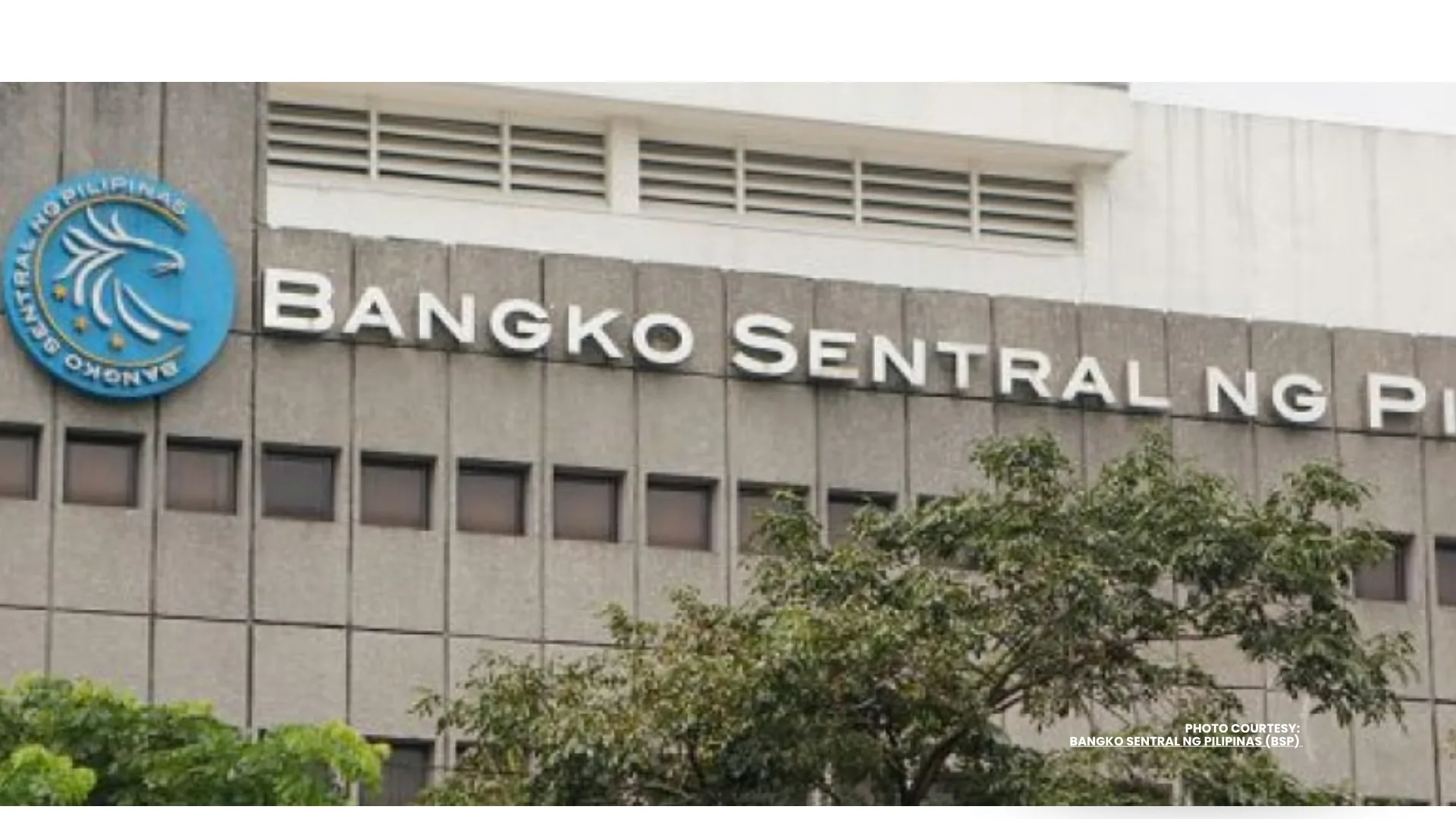
The Philippines’ total foreign debt expanded to $154.93 billion as of end-June 2026, rising from the $147.35 billion recorded at the end of the previous quarter, according to data released by the Bangko Sentral ng Pilipinas (BSP).
Despite the increase, the central bank assured that the country’s external debt burden remains fully manageable, supported by robust foreign exchange reserves and favorable debt service metrics.
The latest debt figure brought the national external debt-to-gross domestic product (GDP) ratio to 31.6 percent, up from 30.0 percent in the first quarter, as total obligations outstripped domestic economic growth during the three-month period.
The BSP underscored that key liquidity indicators continue to signal adequate capacity to meet debt obligations. Short-term external debt based on remaining maturity (STRM) grew to $31.64 billion. However, this remains well-covered by the country’s gross international reserves (GIR), which stood at $104.74 billion.
The resulting GIR-to-STRM ratio of 3.31 indicates that the Philippines retains more than three times the reserves needed to settle obligations maturing within the next 12 months, keeping reserve coverage strong relative to regional emerging market peers.
Additionally, the country’s debt service ratio improved slightly to 9.0 percent from 9.2 percent during the same period last year, demonstrating that foreign exchange earnings remain sufficient to handle debt servicing requirements.
The quarter-on-quarter expansion in debt stock was largely driven by net borrowings from both the National Government (NG) and private domestic banking institutions. This upward pull was partially offset by negative foreign exchange revaluation adjustments due to a stronger US dollar, as well as a slight reduction in non-resident investments in Philippine debt securities.
On an annual basis, external debt rose from $148.87 billion at end-June 2025. The BSP attributed the year-on-year increase primarily to government global bond issuances and official loan drawdowns intended for budget support and infrastructure development.
The central bank emphasized that strong solvency parameters and deep liquidity buffers continue to keep the nation’s overall external debt profile on solid financial footing.