
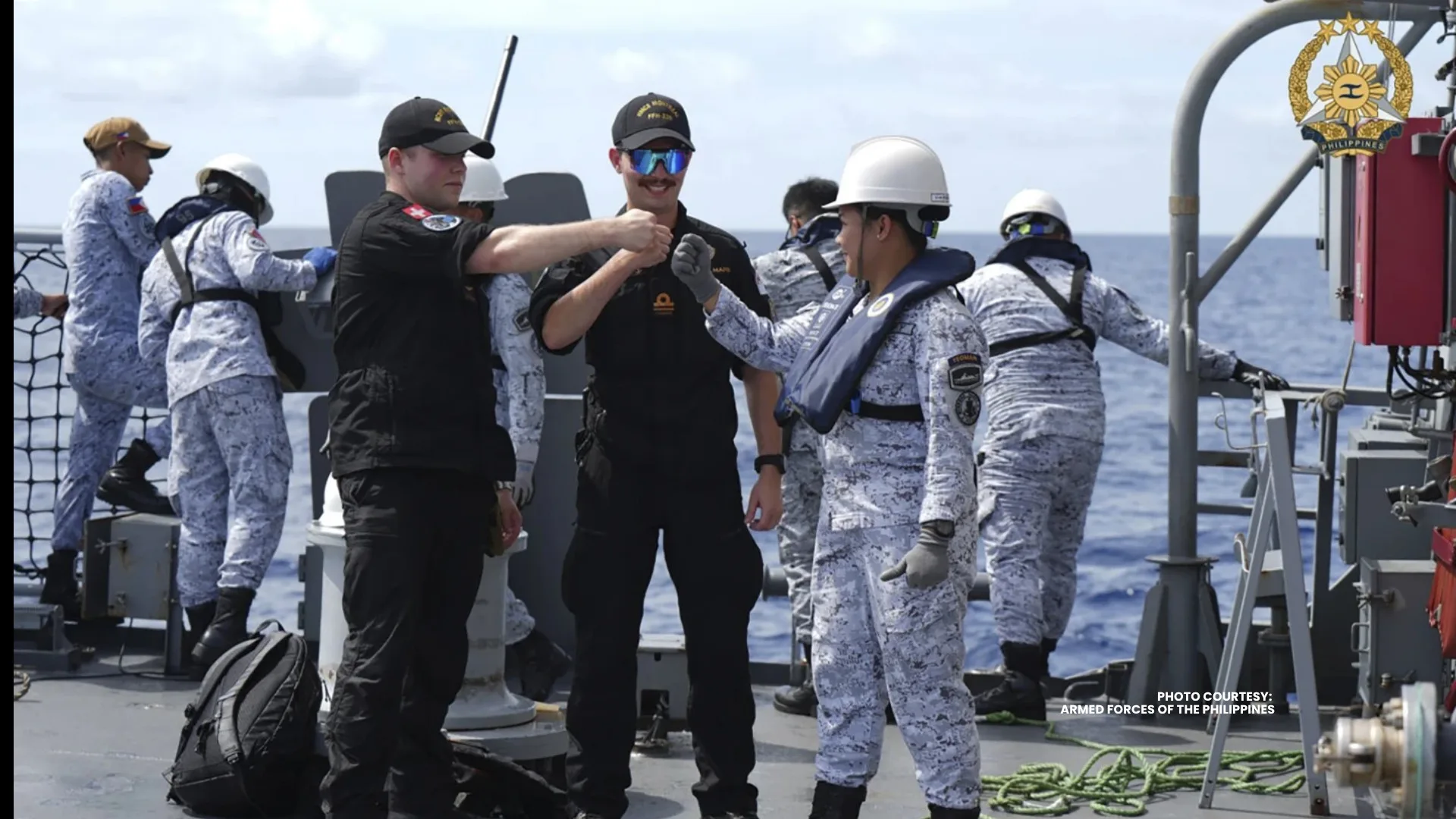
The Philippines and Canada have signed a Mutual Logistics Support Agreement (MLSA) to enhance defense cooperation and facilitate logistical support for troops during joint military exercises and operations.
The signing took place on Friday in Canada, alongside a Statement of Intent on Strengthening Defense Cooperation.
Philippine Defense Secretary Gilberto Teodoro Jr. described the agreement as a way to “put teeth” into the Status of Visiting Forces Agreement (SOVFA) signed in Manila last November, which provides the legal framework for bilateral military exercises.
“The SOVFA is an expression of interoperability and trust between our defense systems and armed forces,” Teodoro said, emphasizing that it strengthens ties for secure people-to-people exchanges, economic cooperation, and mutual operational readiness.
Canadian Defense Minister David McGuinty highlighted that the agreements build on existing defense partnerships, allowing the armed forces of both nations to train, exercise, and operate together more effectively. “These agreements reflect the momentum of a growing and important defense partnership,” McGuinty said, reiterating Canada’s commitment to peace, security, and stability in the Indo-Pacific region.
The ministers also noted the agreements support a rules-based maritime order grounded in international law, particularly with the 10th anniversary of the South China Sea Arbitral Award approaching. McGuinty affirmed Canada’s intention to continue working with the Philippines and ASEAN partners to uphold the United Nations Convention on the Law of the Sea (UNCLOS).
Beyond defense, the two countries plan to deepen economic ties, including ongoing free trade negotiations aimed at creating opportunities for workers, businesses, and investors. McGuinty also recognized the growing Filipino community in Canada, noting that one in 40 residents is of Filipino origin.
The agreements mark a significant step in strengthening military interoperability, regional security, and broader bilateral cooperation between the Philippines and Canada.